
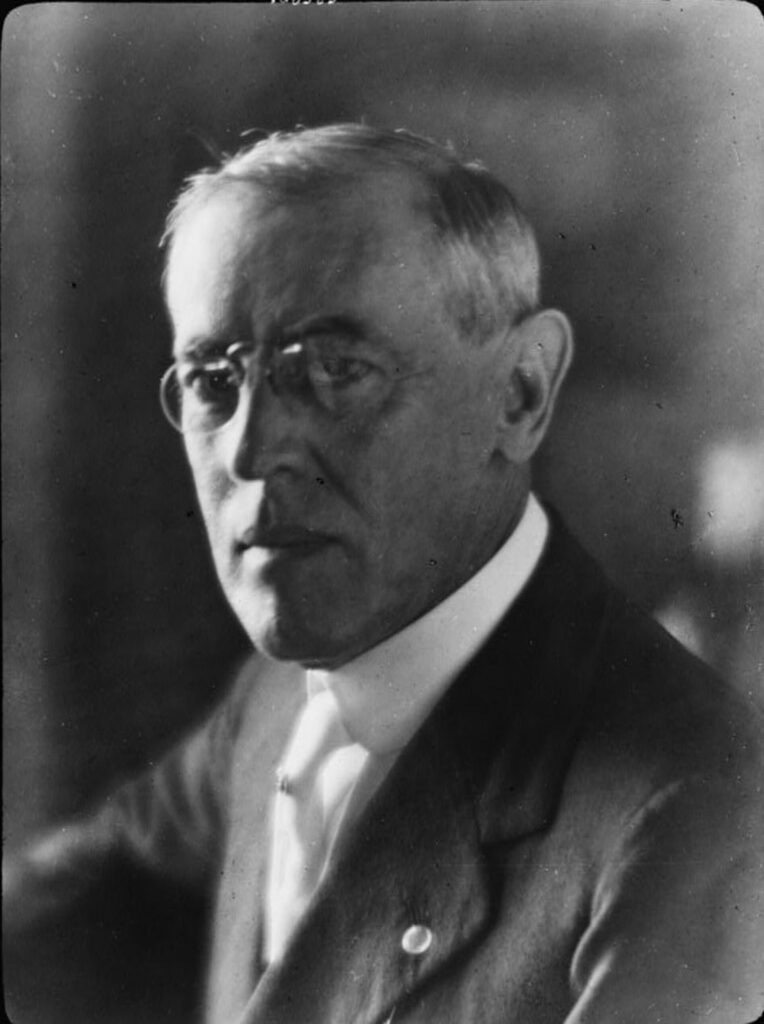
On August 25, 1916, President Woodrow Wilson signed the National Park Service Act into law, creating a dedicated federal agency to manage and preserve the nation’s public landscapes. Before this legislation, national parks operated under a patchwork of oversight — some supervised by the Interior Department, others protected by U.S. Army cavalry — leaving many wilderness areas vulnerable to inconsistent stewardship and commercial pressure.
The new mandate reorganized how the United States valued its natural heritage. The National Park Service was charged with conserving scenery, wildlife, and historic objects “unimpaired for the enjoyment of future generations,” establishing a unified framework for trail construction, visitor access, ecological protection, and the prevention of mining or timber exploitation within park boundaries.
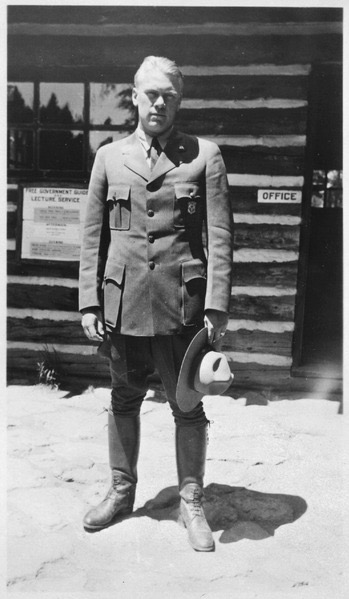
The system soon became a proving ground for young Americans, including future President Gerald R. Ford, who worked as a seasonal ranger in Yellowstone twenty years later. By transforming scattered preserves into a coordinated national network, the 1916 act created the administrative machinery necessary to safeguard the country’s environmental legacy — a sanctuary system that continues to define American conservation.
