
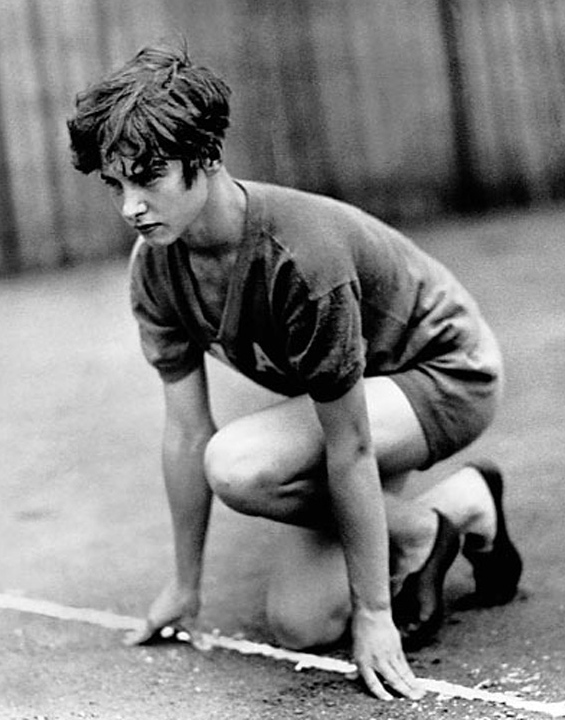
Pioneering track athlete Betty Robinson, winner of the first‑ever women’s 100‑meter Olympic race, was born on August 23, 1911, in Riverdale, Illinois.
Robinson’s arrival on August 23rd introduced an athlete whose astonishing speed helped shatter entrenched global biases against women’s participation in competitive sport. Discovered by a high‑school coach who spotted her sprinting down a train platform, she captured gold in the 100 meters at the 1928 Amsterdam Games at just sixteen years old, equaling the world record in only her fourth competitive meet. Her victory made her an early symbol of the physical power and independence of the modern twentieth‑century woman.
Her legacy deepened after a catastrophic 1931 plane crash left her with a shattered leg and severe injuries that doctors believed would end her running career forever. Through years of determined rehabilitation, Robinson regained her ability to compete, though her injured leg could no longer bend for a sprinter’s starting block. Adapting her technique, she returned to the track at the 1936 Berlin Olympics as a relay runner and captured a second gold medal — a triumph that cemented her story as one of the most extraordinary comebacks in Olympic history.
Image via Wikimedia Commons, public domain.
