
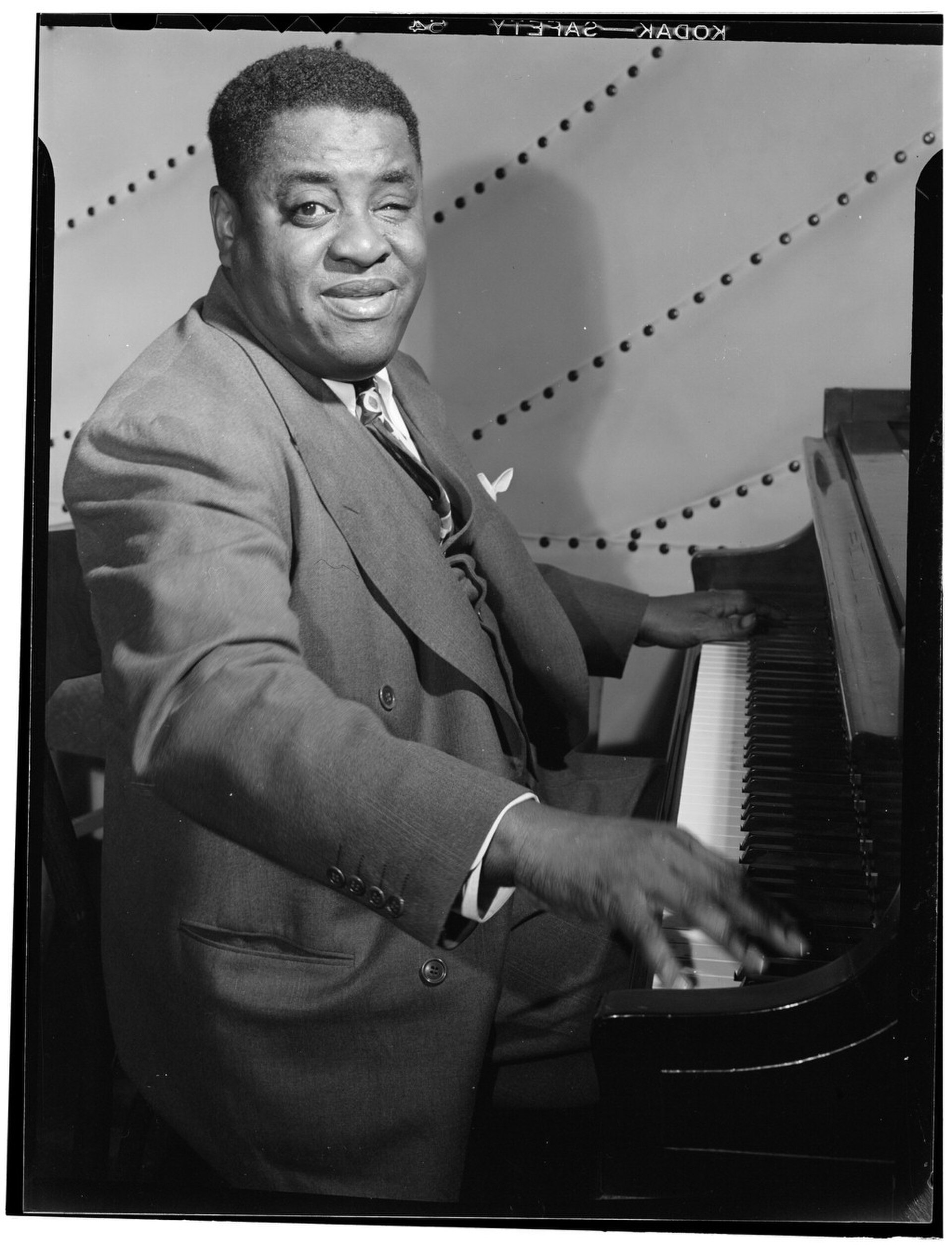
Born on October 13, 1909, in Toledo, Ohio, virtuoso pianist Arthur “Art” Tatum Jr. became one of the most influential and technically dazzling figures in jazz history. Severely visually impaired from early childhood, Tatum developed an extraordinary auditory memory and manual command of the keyboard that transformed stride and swing piano. His rapid runs, rich reharmonizations, and daring chord substitutions expanded the language of jazz piano and influenced generations of musicians, including those of the bebop era.
Tatum’s style joined the rhythmic drive of stride piano with a harmonic sophistication that anticipated later developments in modern jazz. After arriving in New York in 1932, he quickly became one of the city’s most celebrated pianists. His virtuosity awed not only jazz musicians but also classical artists such as Vladimir Horowitz and Sergei Rachmaninoff. Jazz legend Fats Waller famously announced, “I play the piano, but God is in the house tonight,” when Tatum entered a club where he was performing.
On the anniversary of his birth, Tatum is remembered as a foundational genius whose harmonic imagination and rhythmic freedom made the solo jazz piano a vehicle of nearly orchestral expressive power.
