
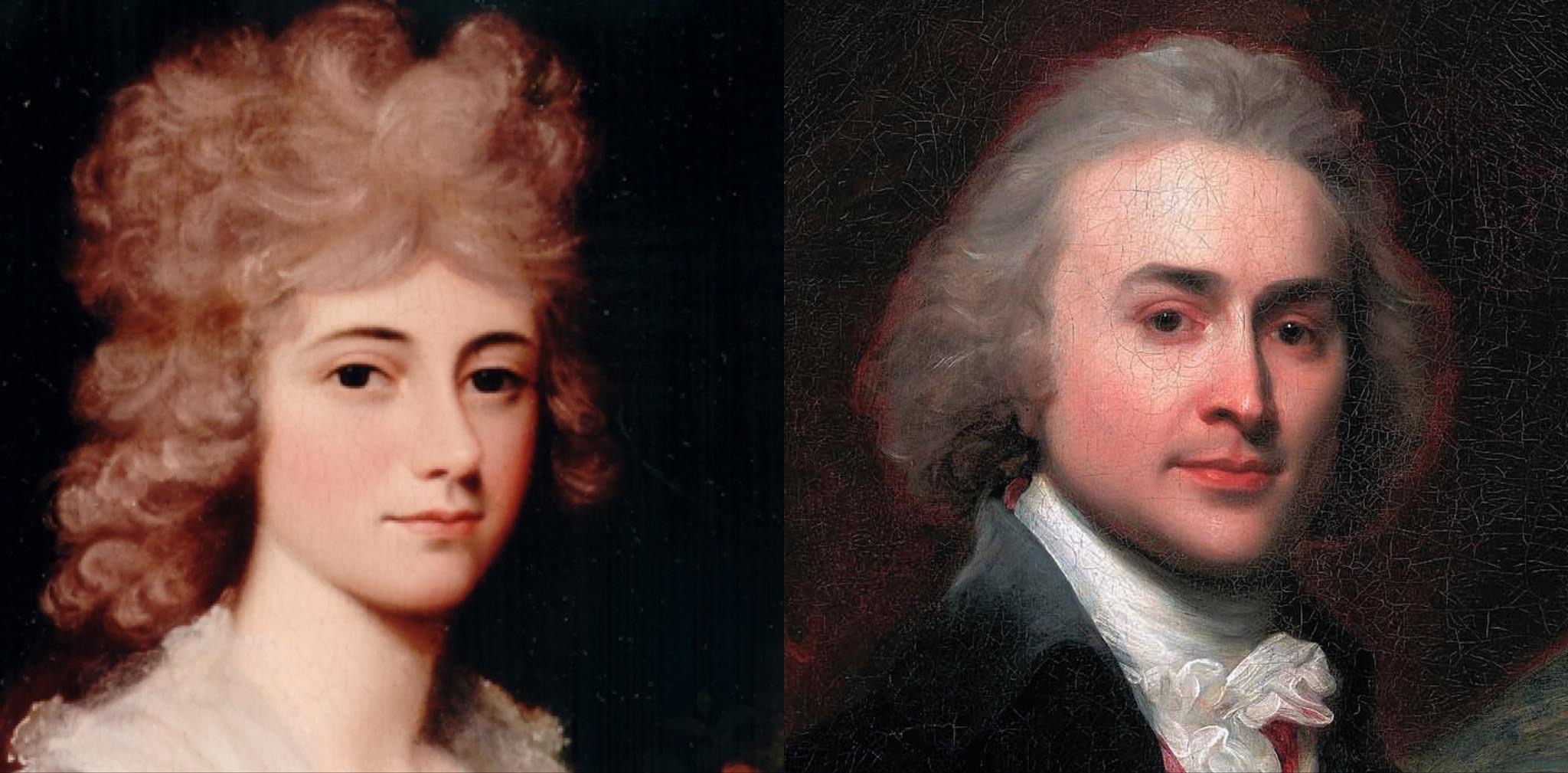
On July 26, 1797, John Quincy Adams stepped inside the historic Church of All Hallows Barking in London to marry Louisa Catherine Johnson, cementing a sophisticated, international union that would profoundly shape the trajectory of American diplomacy. As the son of sitting U.S. President John Adams, John Quincy was navigating high-stakes diplomatic missions in Europe, while Louisa, born in London to an American merchant father and an English mother, possessed a rare, cross-cultural upbringing.
This marriage was highly unusual for the era, rendering Louisa the only foreign-born First Lady in American history prior to the modern era. Her status ignited political anxieties back home among suspicious anti-Federalists, who feared that the Adams family was secretly importing British aristocratic corruption into the fragile American Republic.
Beneath the romantic narrative lay a powerful, pragmatic political partnership that transformed Louisa into what modern historians widely regard as an unusually effective, often uncredited diplomatic partner in the early nineteenth century. While John Quincy was famously austere, socially awkward, and prone to severe bouts of depression, Louisa possessed an elegant charm, fluency in multiple languages, and a sharp, intuitive understanding of European court etiquette.
Throughout their subsequent diplomatic postings in Prussia, Russia, and Great Britain, her salon gatherings and social intellect opened doors that were firmly shut to formal American emissaries. Her drawing-room diplomacy subtly smoothed over geopolitical tensions, helping her husband secure vital trade agreements and navigate the treacherous waters of the Napoleonic Wars. This marriage effectively bridged the deep cultural divide between European monarchy and the young American democracy, forging an elite political alliance that fueled Adams’ rise to the presidency.
