
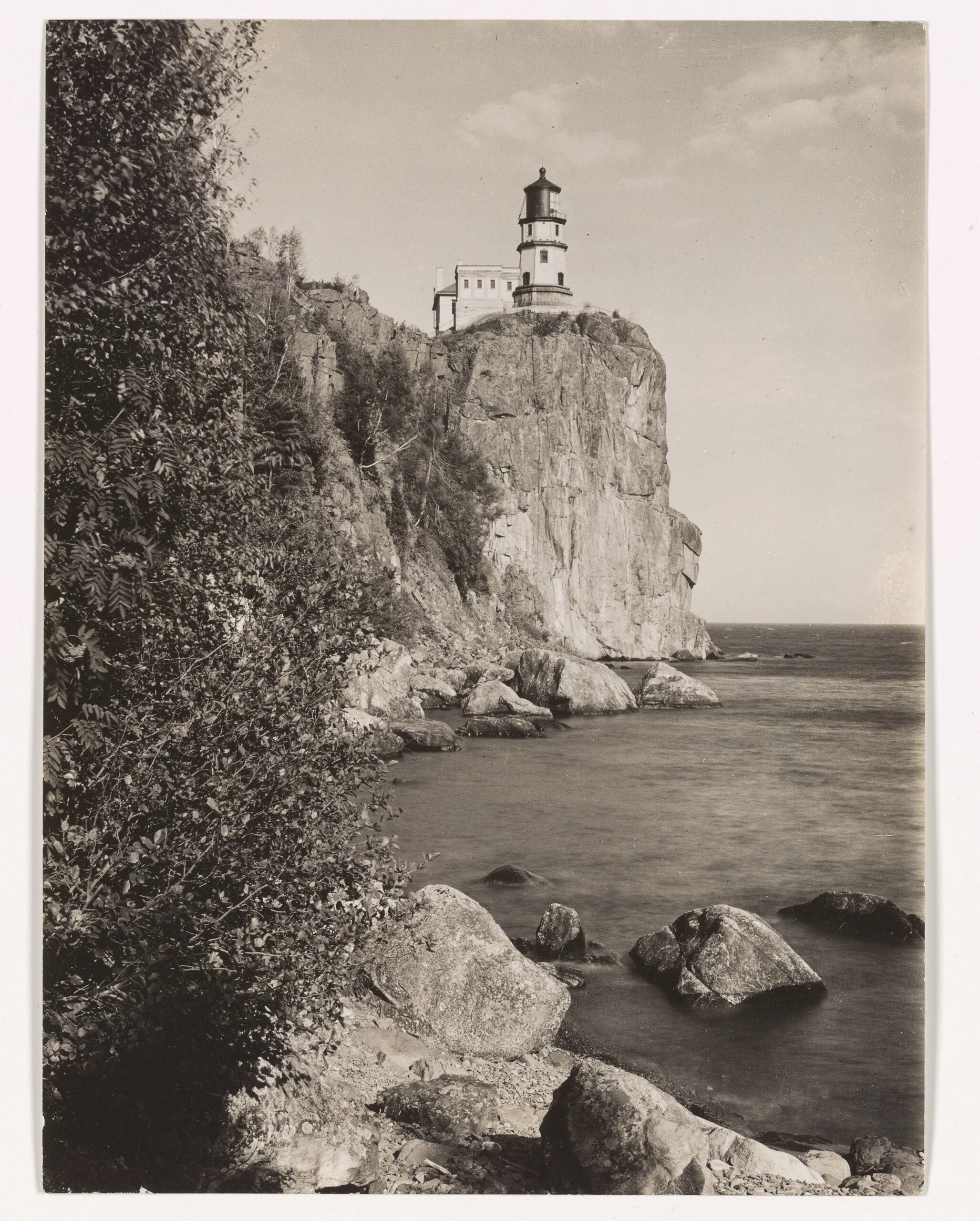
The Split Rock Lighthouse, perched atop a 130-foot cliff on Minnesota’s North Shore of Lake Superior, was first lit on July 31, 1910. Its construction followed the devastating Mataafa storm of November 1905, which damaged or sank about 29–30 ships and underscored the urgent need for a navigational aid along this unlit stretch of coast. Built on a bare rock ledge with no road access, the station was an engineering feat designed to endure brutal winds and freezing winters, giving sailors a steady, trustworthy beacon in some of the lake’s most dangerous waters.
For decades, three lightkeepers lived isolated lives at the station, dedicated to keeping the lantern and fog signal running through the worst weather. Their routines—cleaning the lens, maintaining equipment, logging operations, and making repairs—kept the shipping lanes safe for vessels carrying iron ore and grain to eastern ports. Over time, Split Rock became a symbol of security: a proof that human ingenuity and steady, personal devotion could bring order and comfort to an otherwise perilous coast.
