
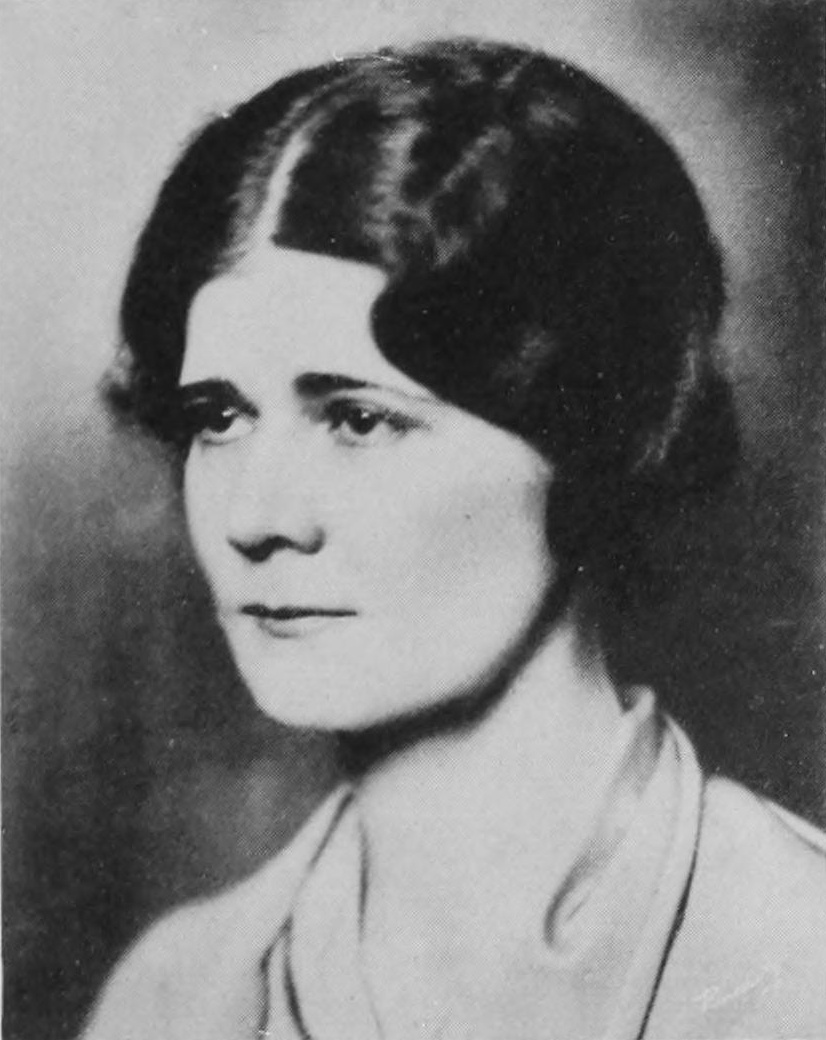
On September 7, 1885, influential American poet and novelist Elinor Wylie was born in Somerville, New Jersey. Raised in an elite, highly prominent political family—her grandfather, Henry Hoyt, had served as the 18th Governor of Pennsylvania—Wylie initially navigated strict social expectations before breaking away to pursue a fiercely independent, bohemian literary life.
Wylie emerged as a major, distinctive voice in early-twentieth-century poetry, celebrated for her sharp, exceptionally disciplined, and jewel-like verse. Her 1921 collection, Nets to Catch the Wind, achieved widespread critical acclaim, showcasing her mastery of precise meter and vivid visual contrasts. Her signature short poem, Incantation, beautifully demonstrated this style, weaving stark imagistic pairings of white objects placed against dark, suffocating backdrops to evoke deep sensory and psychological isolation.
Her sophisticated work helped steer the course of post-war American literature, challenging entrenched conventions regarding female authorship and poetic structure. Wylie’s ability to transform internal trauma and emotional turbulence into highly structured, elegant prose established her as a foundational figure in early-twentieth-century lyric poetry, permanently enriching the artistic record of her generation.
