
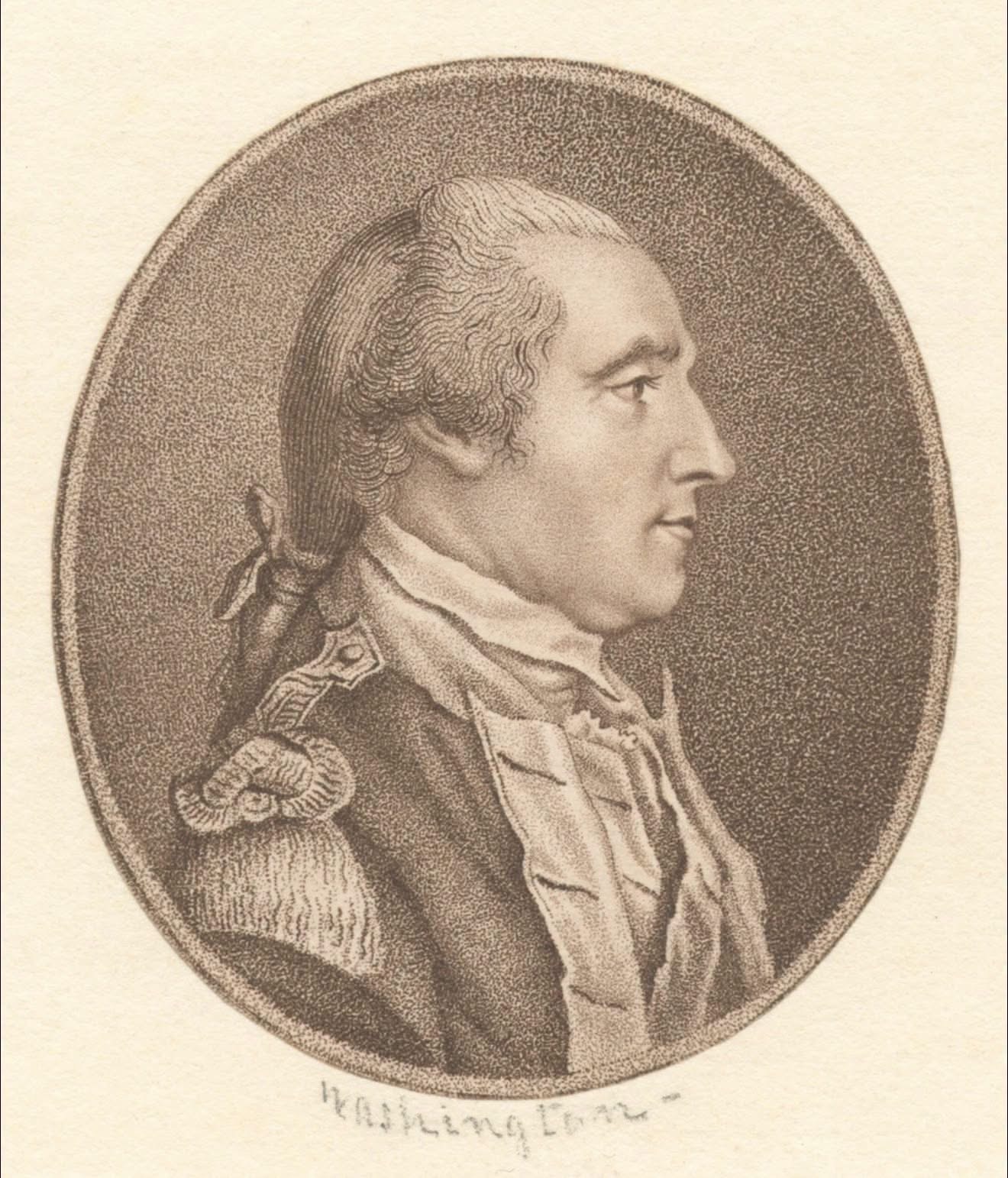
In late August 1775, George Washington wrote from his “Camp at Cambridge” to his cousin and Mount Vernon manager, Lund Washington. He had been Commander-in-Chief for less than two months, and the correspondence reveals a leader trapped in a frustrating tactical stalemate. The American defenses surrounding Boston were nearly complete, but the Continental forces and the British military mostly watched one another from a mile apart, paralyzed by inaction.
Rather than a grand meditation on the burden of destiny, the letter is a candid, wide-ranging private assessment of the early war’s immense friction. Washington vented severe frustration at the local forces, famously labeling the New England troops as “an exceeding dirty & nasty people.” He harshly condemned the quality of the Massachusetts leadership, calling the officers “the most indifferent kind of People I ever saw,” and reported that he had already broken one colonel and five captains for cowardice and fraudulent pay claims. He believed the rank-and-file soldiers had the capacity to fight, but only if they could be properly led.
The letter also captures a leader whose attention was profoundly divided. Even as he managed a volatile siege, Washington dedicated a vast portion of the letter to the domestic realities of Mount Vernon. He provided meticulous instructions regarding plantation finances, milling operations, wheat crops, and the security of his private papers and his wife, Martha.
The August 20 letter strips away the marble veneer of the revolutionary hero. It exposes a deeply stressed, pragmatic manager struggling with regional cultural prejudices, military corruption, and the exhausting dual burden of forging a new army while desperately trying to maintain his home from afar.
Image: Engraved by Burnet Reading in 1783 from an original profile portrait by Pierre Eugène du Simitière, this London‑issued print preserves one of the earliest likenesses of George Washington to circulate publicly after the Revolutionary War.
