
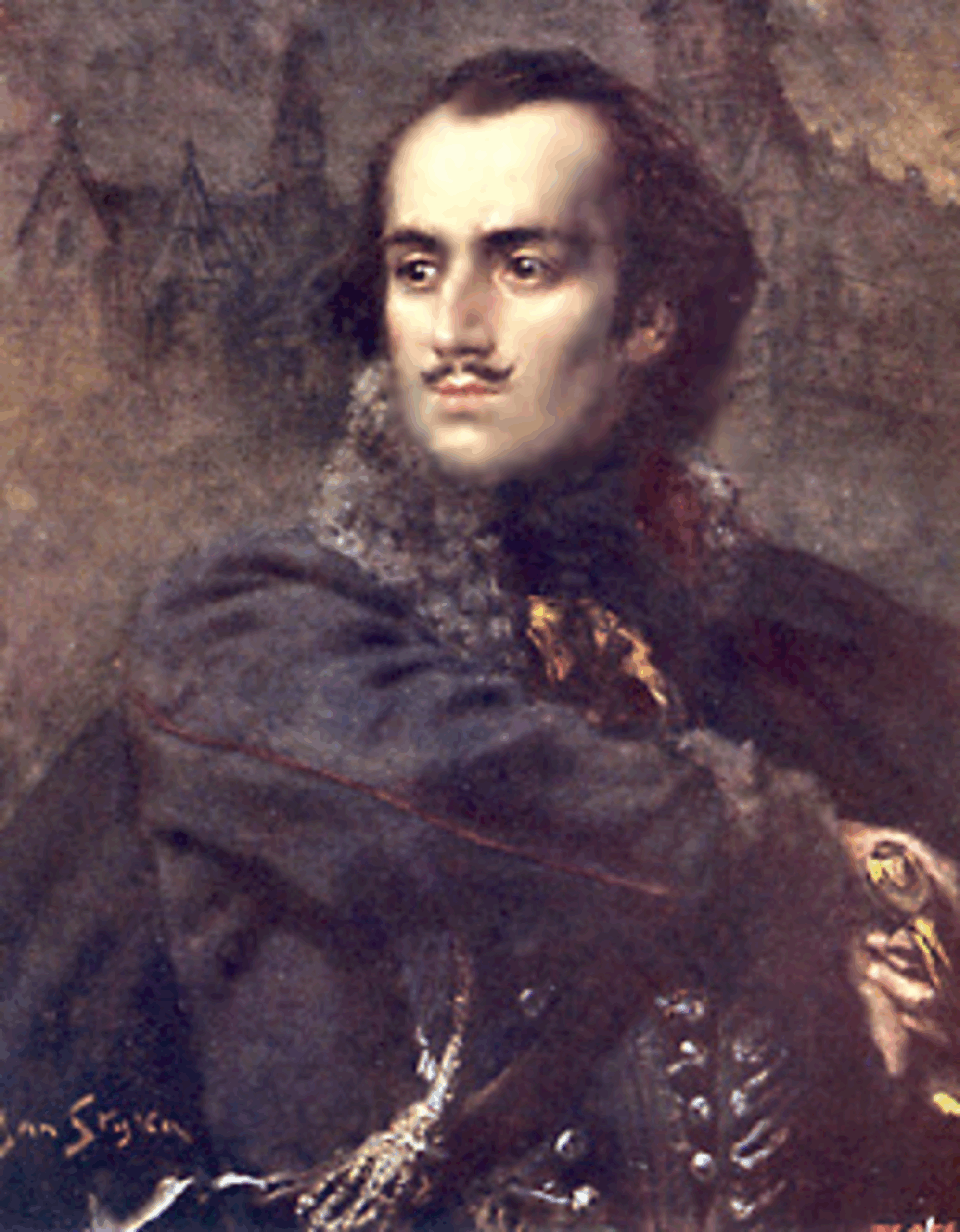
Recruited in Paris by a deeply impressed Benjamin Franklin, Polish nobleman and brilliant cavalry strategist Count Casimir Pulaski stepped onto American soil in Massachusetts on July 23, 1777. Driven into political exile after a failed uprising against Russian dominance in his homeland, Pulaski brought an unmatched expertise in shock-tactics and equestrian warfare to a Continental Army that possessed virtually no organized cavalry. His arrival was defined by an unshakeable, poetic zeal, famously writing to General George Washington that he had come specifically to serve, live, or die for the defense of human freedom.
The tragic, heartfelt layer of Pulaski’s American covenant is that his promise of ultimate sacrifice was fulfilled in absolute obscurity. After saving Washington’s army from encirclement at Brandywine and officially being named the “Father of the American Cavalry,” Pulaski was mortally wounded by British grapeshot while leading a daring charge at the Siege of Savannah in 1779. For over two centuries, history books claimed he was quietly buried at sea from the brig Wasp, leaving him without a known grave on the continent he died to liberate; it wasn’t until a modern 21st-century forensic exhumation of a monument in Savannah proved that his shattered remains had actually been recovered and interred on American land all along.
