
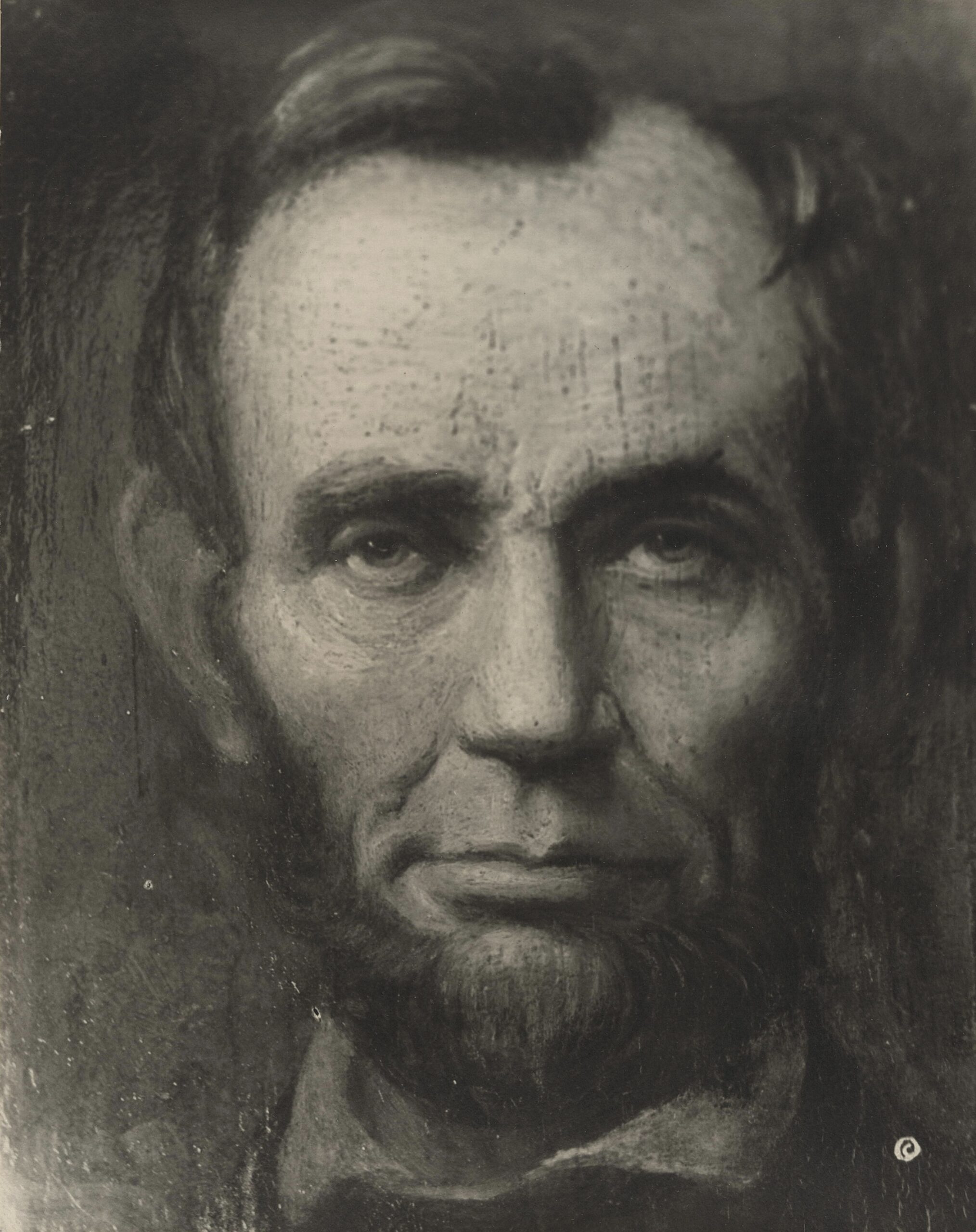
On July 13, 1862, Abraham Lincoln discreetly disclosed to William H. Seward and Gideon Welles that he intended to issue an emancipation order—his first private announcement of the policy that would become the Emancipation Proclamation. The conversation took place during a somber carriage ride to the funeral of Secretary Edwin Stanton’s infant son, a moment confirmed in Welles’s diary. Lincoln did not present a written draft that day, but he told them he had “made up his mind” that emancipation was now essential to the Union war effort, both morally and militarily. His tone, as recorded by Welles, was grave and reflective, shaped by months of battlefield failures and the growing realization that the war’s existing strategy could not save the republic.
What Lincoln expressed in that carriage was not theatrical emotion but a deep conviction born of strain and sorrow. He spoke of the Union’s suffering, of the nation’s faltering purpose, and of his belief that the war could no longer be won without striking at the institution that sustained the Confederacy. Emancipation, he explained, was becoming both a military necessity and a moral obligation—an act that could restore direction to the war and meaning to the Union’s sacrifice. In that moment, Lincoln’s private resolve crystallized into a national turning point, setting the course for one of the most consequential decisions in American history.
Image: Nuyttens’ Portrait of Abraham Lincoln

Emancipation…necessity and obligation …