
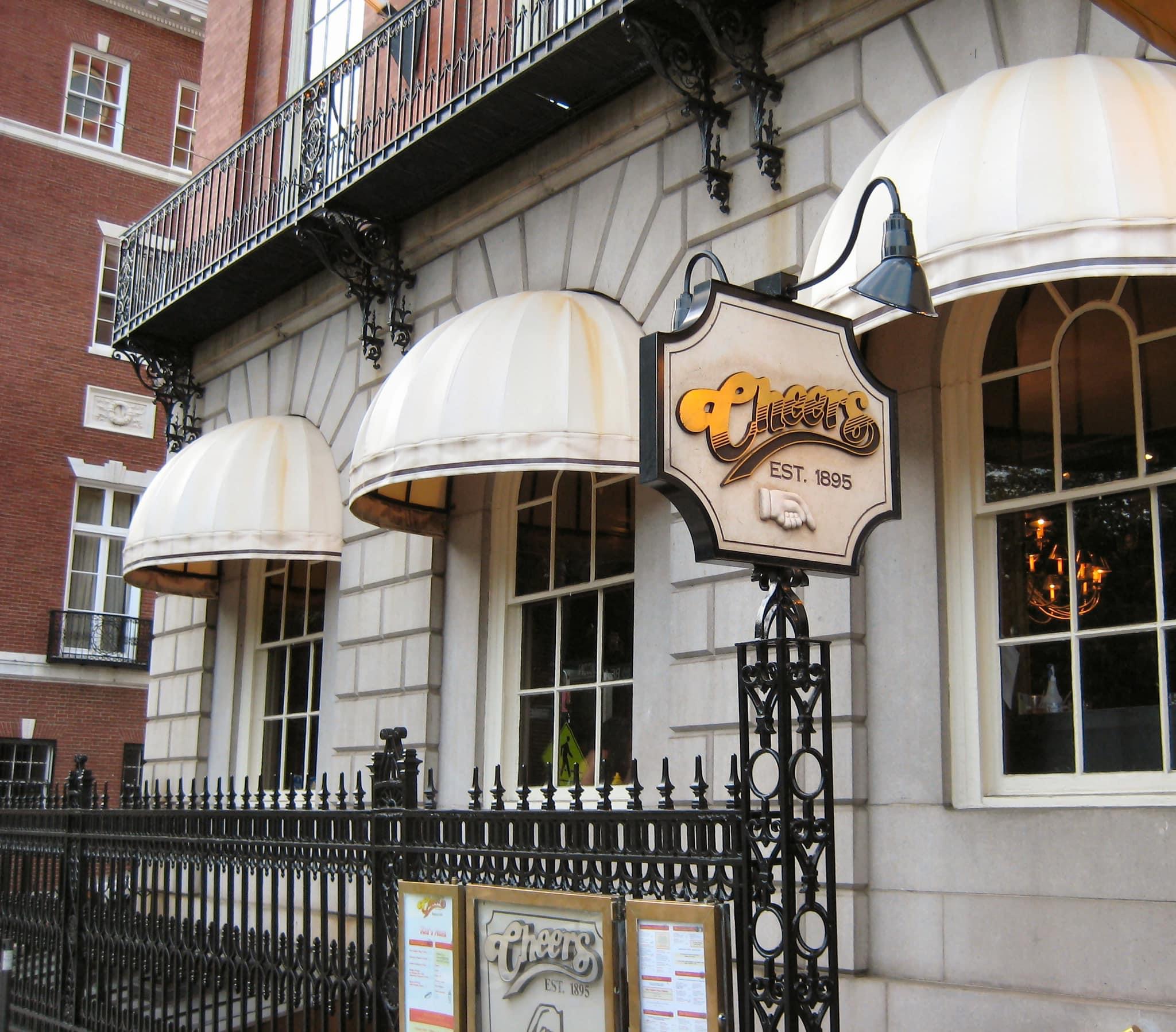
A modern era of ensemble workplace comedy began on September 30, 1982, when Cheers premiered on NBC with its pilot, “Give Me a Ring Sometime.” Created by James Burrows, Glen Charles, and Les Charles, the sitcom was set largely inside a warm, basement-level Boston bar, where employees and regulars turned daily routines into an unusually rich comic world.
The pilot introduced the show’s central romantic tension: Sam Malone, a former Boston Red Sox relief pitcher and recovering alcoholic who owns Cheers, and Diane Chambers, an intellectual, high-strung graduate student left stranded after her fiancé abandons her. She takes a job as a cocktail waitress, beginning a volatile and defining relationship with Sam. Around them, the bar’s regulars—including sharp-tongued waitress Carla Tortelli, bartender and former coach Ernie “Coach” Pantusso, accountant and barfly Norm Peterson, and know-it-all mail carrier Cliff Clavin—gave the series its distinctive ensemble rhythm. The comedy paired sophisticated joke-writing with theatrical timing and character-based conflict.
Despite critical praise, Cheers struggled in the ratings during its first season, finishing 74th out of 77 network programs and coming close to cancellation. NBC stayed with it, and the series steadily grew into one of television’s defining sitcoms. Over 11 seasons and 275 episodes, Cheers won 28 Primetime Emmy Awards. Its May 1993 finale, “One for the Road,” drew an audience estimated at more than 80 million viewers—often reported closer to 93 million—cementing the show’s place in American television history.
Image credit: The real-world façade of the Cheers bar in Beacon Hill, Boston, via Wikimedia Commons, CC BY-SA 1.0.
