
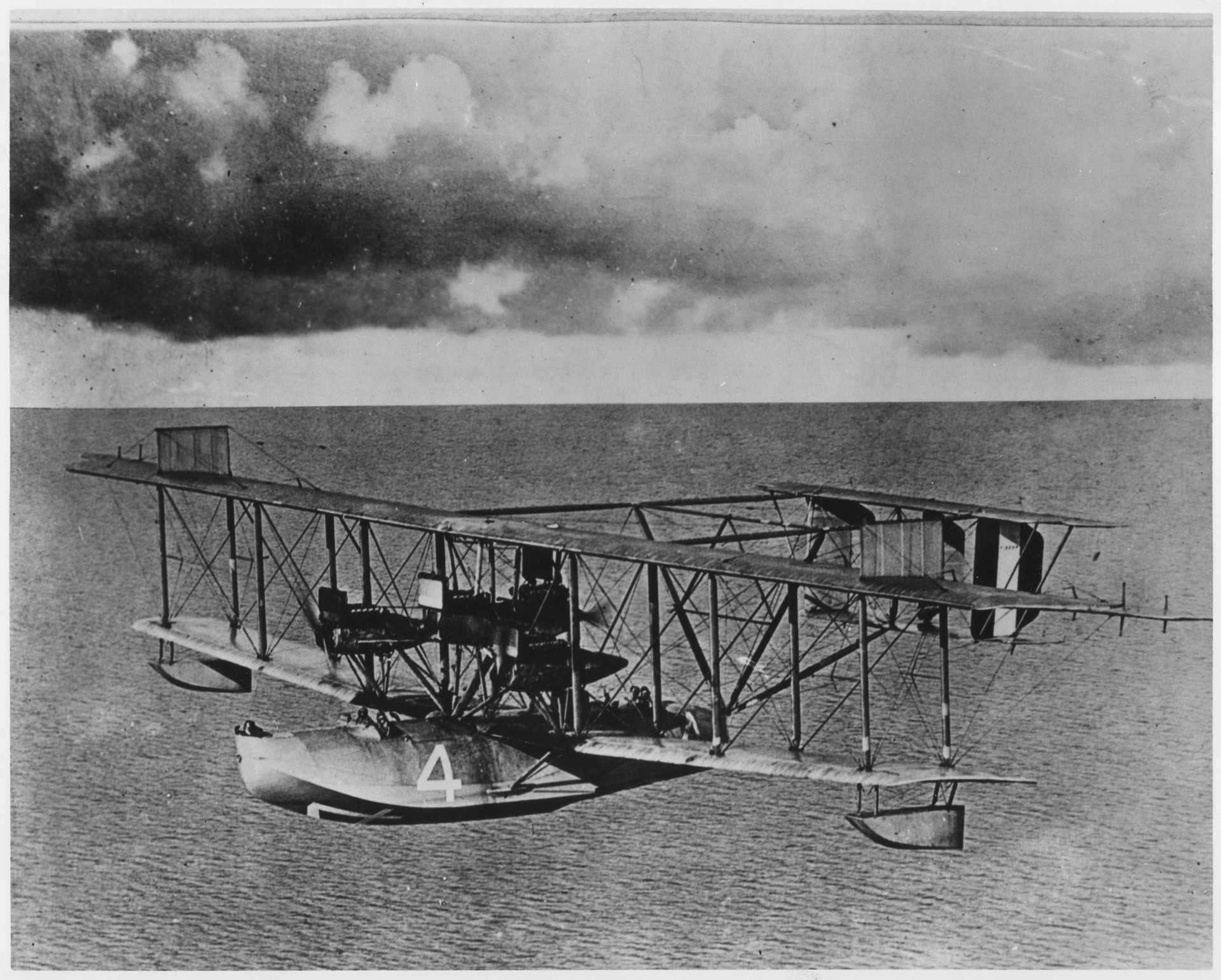
On May 31, 1919, the U.S. Navy’s Curtiss NC‑4 flying boat glided into Plymouth Harbor, England, to a jubilant welcome, completing the final leg of the world’s first transatlantic flight. Commanded by Lieutenant Commander Albert C. Read, the NC‑4 had spent 19 demanding days island‑hopping from North America to Newfoundland, the Azores, and finally Lisbon—where, on May 27, it became the first aircraft ever to cross the Atlantic Ocean. Battling unpredictable weather, mechanical failures, and the sheer isolation of the open sea, the crew proved that the vast ocean barrier separating the Old World and the New could be bridged by human ingenuity, naval discipline, and the daring spirit of early aviation.
