
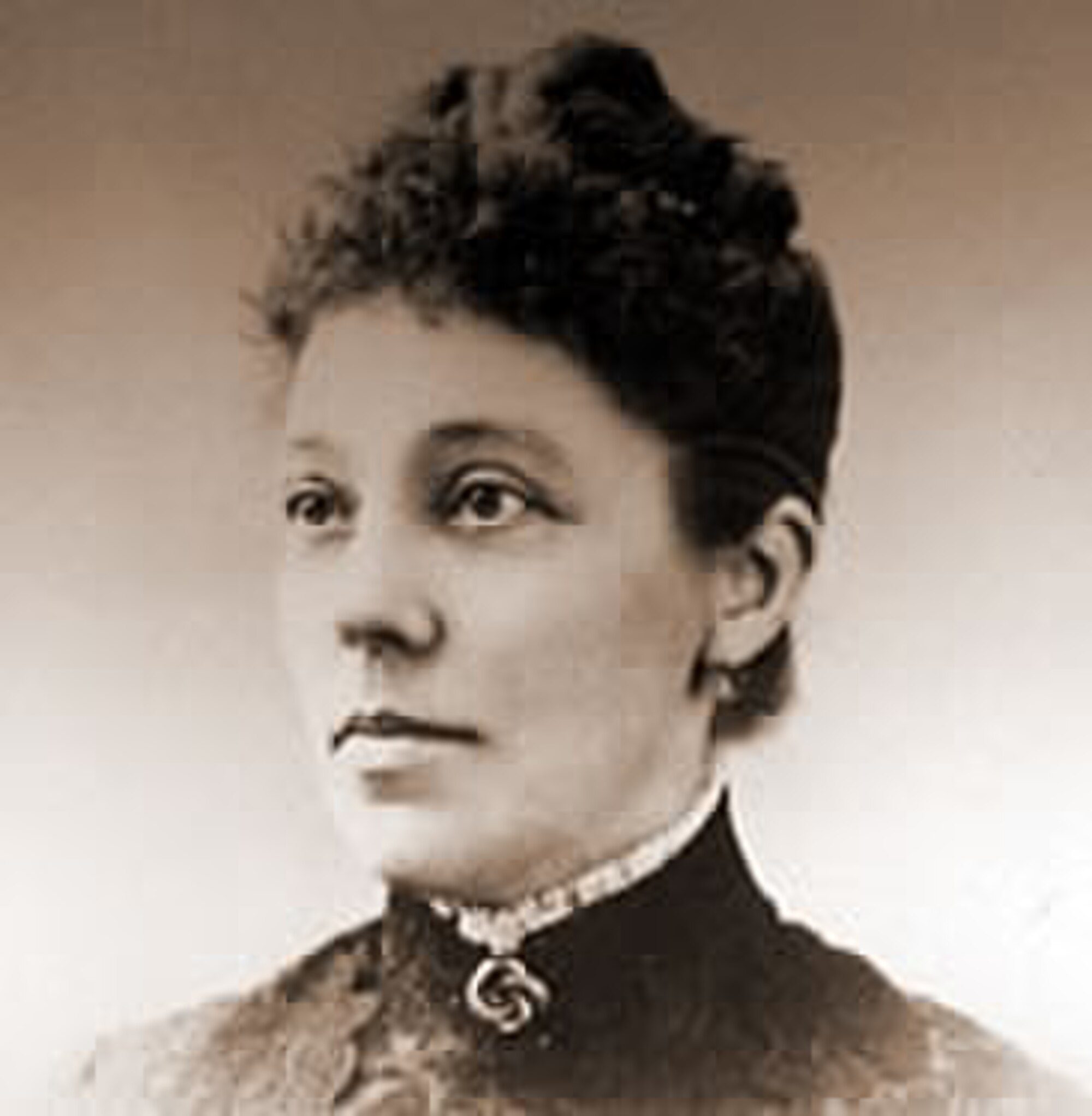
On September 1, 1878, Emma Nutt joined the Boston Telephone Dispatch Company and is widely credited as the first woman telephone operator. Her hiring helped establish a labor pattern that would shape the telephone industry for generations.
Early telephone exchanges had often employed teenage boys, whose behavior company managers considered unreliable and disruptive. Telephone companies began hiring women partly because they believed women would provide a calmer, more courteous, and more disciplined public voice for the new technology.
Nutt’s work demanded formidable concentration. Before automated switching, operators connected calls manually, learned customers’ names and locations, and functioned as the human interface of a rapidly expanding communications network. Her sister, Stella Nutt, also joined the exchange soon afterward.
Within a few decades, telephone operator work had become strongly associated with women—opening employment opportunities while also creating a heavily gendered workplace.
