
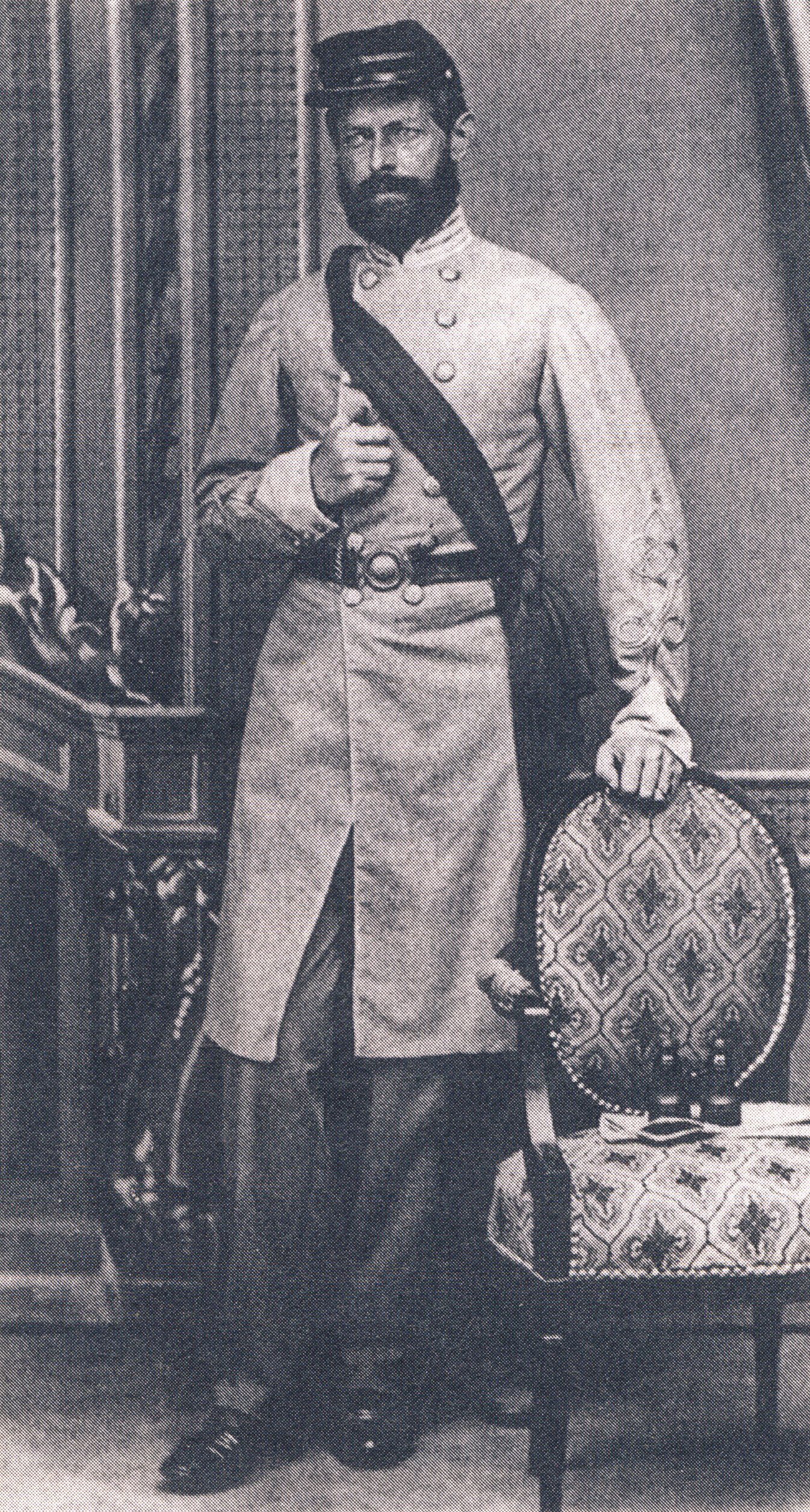
On November 10, 1865, Captain Henry Wirz, commander of the prison stockade at Andersonville, Georgia, was hanged in the courtyard of Washington’s Old Capitol Prison. His execution followed a military trial lasting more than two months, during which nearly 150 witnesses testified about conditions at the prison and his treatment of Union captives. The commission convicted him of conspiracy to injure and destroy prisoners’ lives and of murder in violation of the laws and customs of war.
The proceedings confronted a difficult question: how much responsibility did Wirz bear for suffering within a prison system whose failures extended beyond his authority? His attorneys argued that shortages of food and medical supplies severely limited his ability to improve conditions, and surviving letters document his efforts to obtain assistance. Prosecution witnesses, however, testified that he withheld available supplies and issued orders that directly resulted in prisoners’ deaths. The commission rejected his defense and found him personally accountable.
The trial’s significance lies partly in that distinction between conditions a subordinate officer could not control and actions for which he could be held responsible. Both sides addressed Wirz’s obedience to superior orders: the prosecution sought to implicate higher Confederate authorities, while the defense sought to shift responsibility up the chain of command. The commission nevertheless concluded that those orders did not excuse his own conduct. His execution remains a stark episode in the history of American military justice and the effort to hold individuals accountable for the treatment of prisoners of war.
