
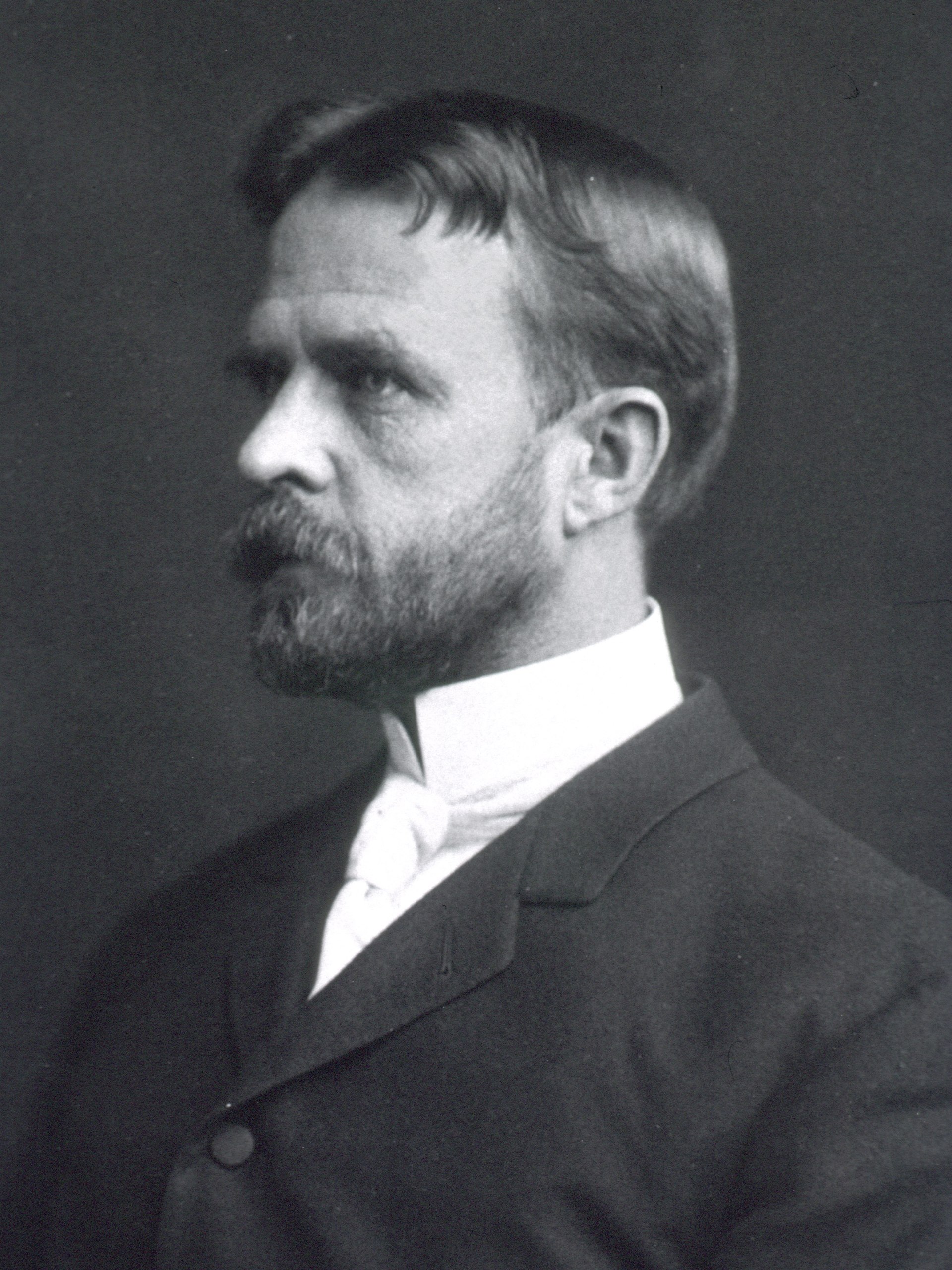
On October 20, 1933, American geneticist and zoologist Thomas Hunt Morgan was announced as the recipient of the Nobel Prize in Physiology or Medicine “for his discoveries concerning the role played by the chromosome in heredity.” The award recognized research that helped establish a physical basis for the inheritance patterns described by Gregor Mendel.
Working in Columbia University’s famous “Fly Room,” Morgan and his collaborators used the fruit fly, Drosophila melanogaster, to investigate how traits pass from one generation to the next. A breakthrough came in 1910, when Morgan discovered a white-eyed male among the normally red-eyed flies. By tracing the inheritance of this unusual trait, he showed that its transmission was linked to sex, providing crucial evidence that the responsible gene was carried on the X chromosome.
Further experiments by Morgan’s group connected inheritance patterns with the behavior of chromosomes. Studies of genetic linkage and crossing over supported the idea that genes occupy positions in a linear sequence along chromosomes. Alfred Henry Sturtevant, a student in Morgan’s laboratory, used inheritance data to develop the first genetic map, published in 1913. Together with contributions from Calvin Bridges and Hermann Joseph Muller, this work helped establish chromosome-based genetics.
Morgan’s award was the first Nobel Prize given for work in genetics. Its anniversary marks both his individual achievement and the collaborative work of a laboratory that transformed fruit-fly breeding experiments into powerful evidence about the mechanisms of heredity.
