
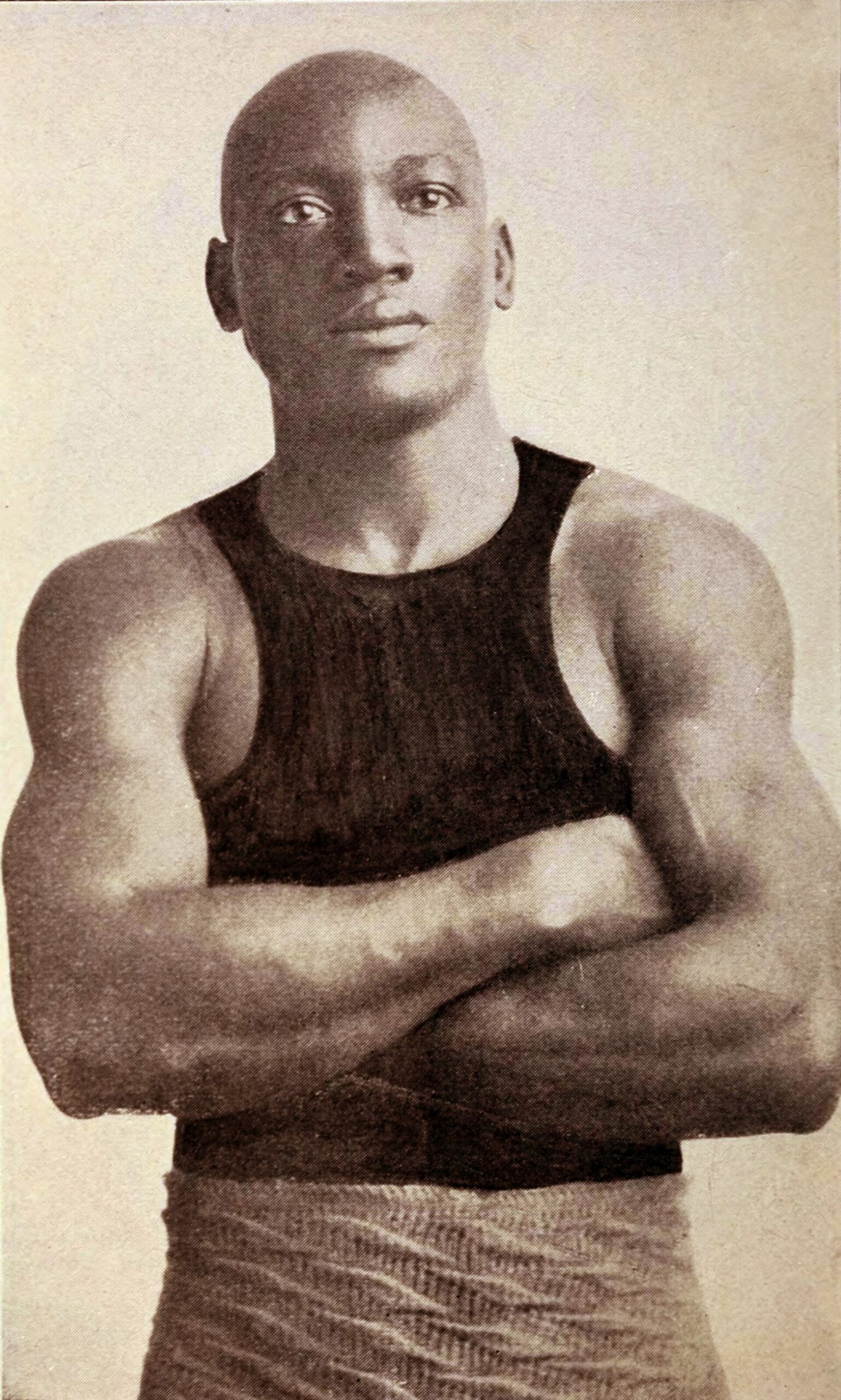
On June 10, 1946, a violent automobile accident on a highway near Raleigh, North Carolina, claimed the life of 68‑year‑old boxing legend Jack Johnson. As the first African American heavyweight champion of the world, Johnson was a towering, larger‑than‑life figure who dominated the sport during the Jim Crow era, using his defensive brilliance and unshakable public confidence to upend early 20th‑century racial stereotypes.
The circumstances surrounding his fatal crash reflected the same systemic prejudices he had spent his life defying. Earlier that day, Johnson walked out of a segregated highway diner after being refused service because of his race. Driving away at high speed, he lost control of his car on a sharp curve and struck a utility pole. In the days that followed, tributes poured in from across the nation, honoring not only his staggering athletic achievements but also his fearless, unapologetic challenge to the racial order — a legacy that paved the way for future icons like Muhammad Ali.
