
Wisconsin officially entered the Union as the thirtieth state on May 29, 1848, its identity shaped by waves of German, Scandinavian, Irish, and Yankee settlers who had transformed the Upper Midwest into a thriving agricultural frontier. But the timing of its admission carried a weight far beyond its borders.
Arriving just months after the end of the Mexican‑American War, Wisconsin joined the Union as a free state at the very moment Congress was beginning to fracture over whether slavery would spread into the vast new western territories. Its admission strengthened the free‑state bloc and added quiet pressure to a political balance already straining toward crisis. In the widening national argument over freedom and expansion, Wisconsin’s statehood became one more step on the long road to the Civil War.
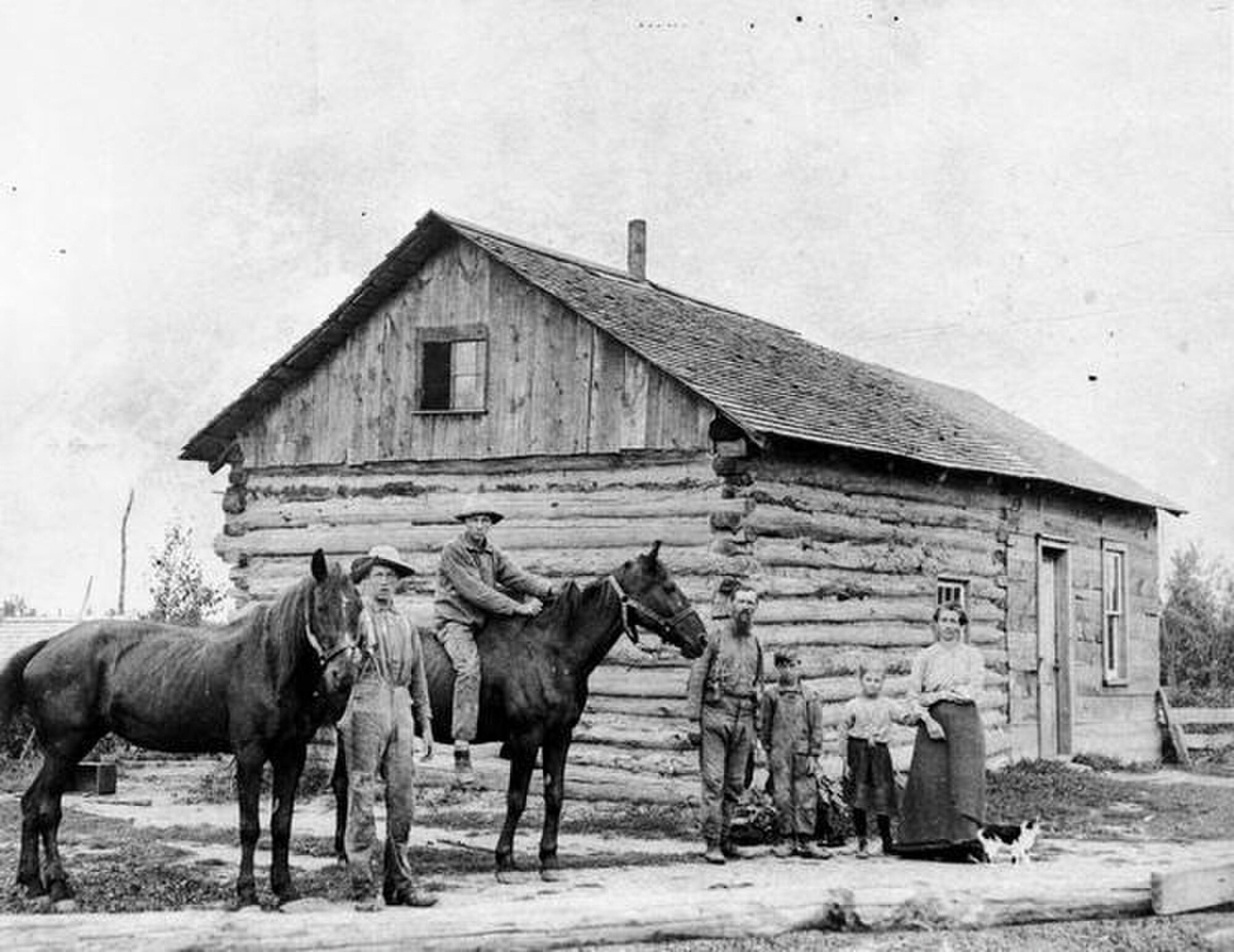
Image: Dutch homestead, Little Chute, Wisconsin via Wikimedia Commons

.jpg)