
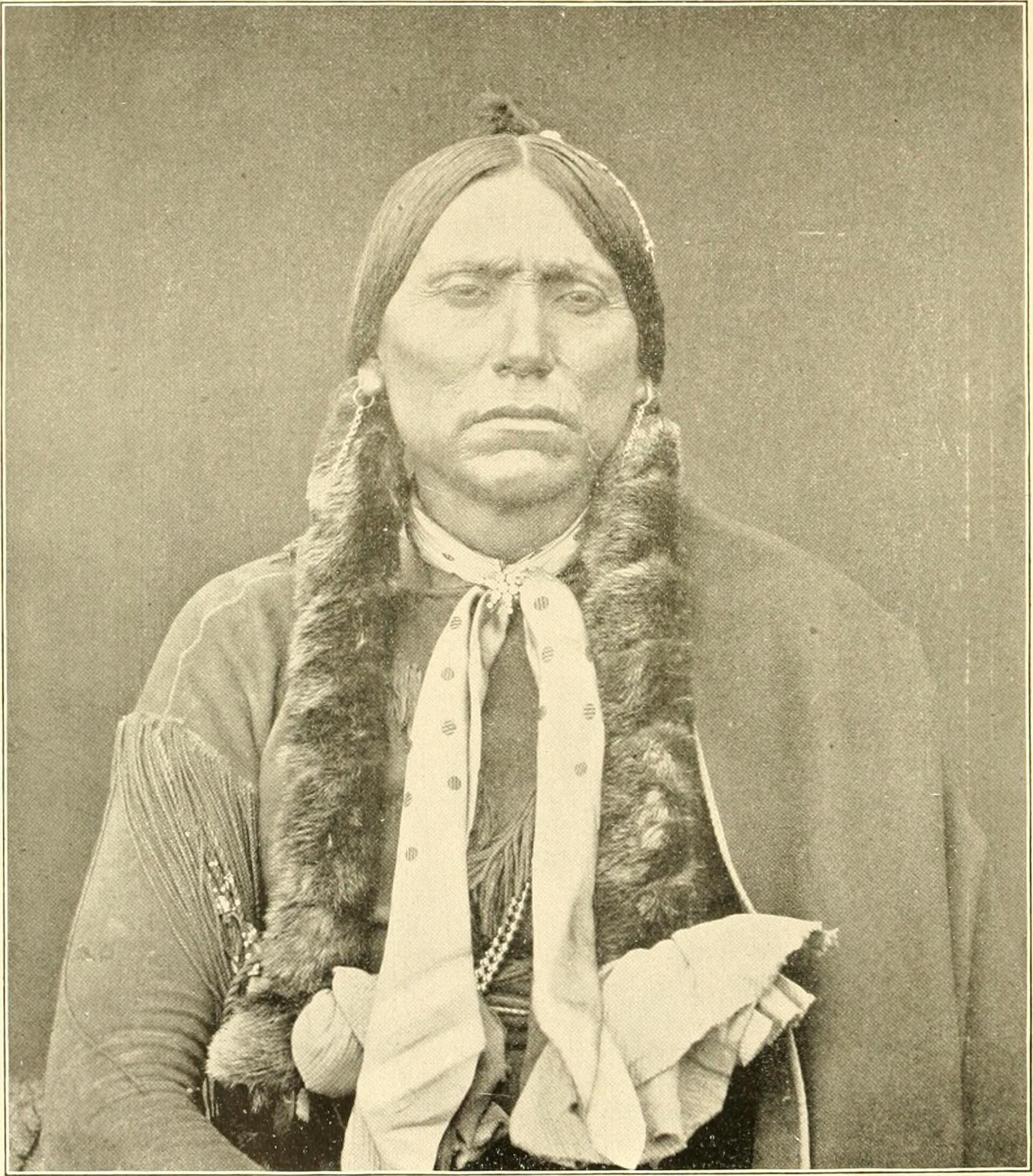
On June 2, 1875, the legendary Comanche war leader Quanah Parker rode into Fort Sill, Oklahoma, to formally surrender to federal authorities, becoming the last major free-roaming Comanche chief to come in from the Southern Plains. Parker had resisted relocation during the Red River War of 1874–75, using mobility and deep knowledge of the terrain to evade U.S. Army columns. But the relentless military campaign—combined with the near-total destruction of the southern bison herds—left his people facing starvation.
His surrender marked the effective end of large-scale armed Native resistance on the Southern Plains. In the years that followed, Parker transformed himself into a respected statesman, working to guide the Comanche Nation through the reservation era and protect tribal land, rights, and culture amid profound upheaval. The moment stands as a powerful reminder of Indigenous resilience and the complex, shifting landscape of the American frontier.
