
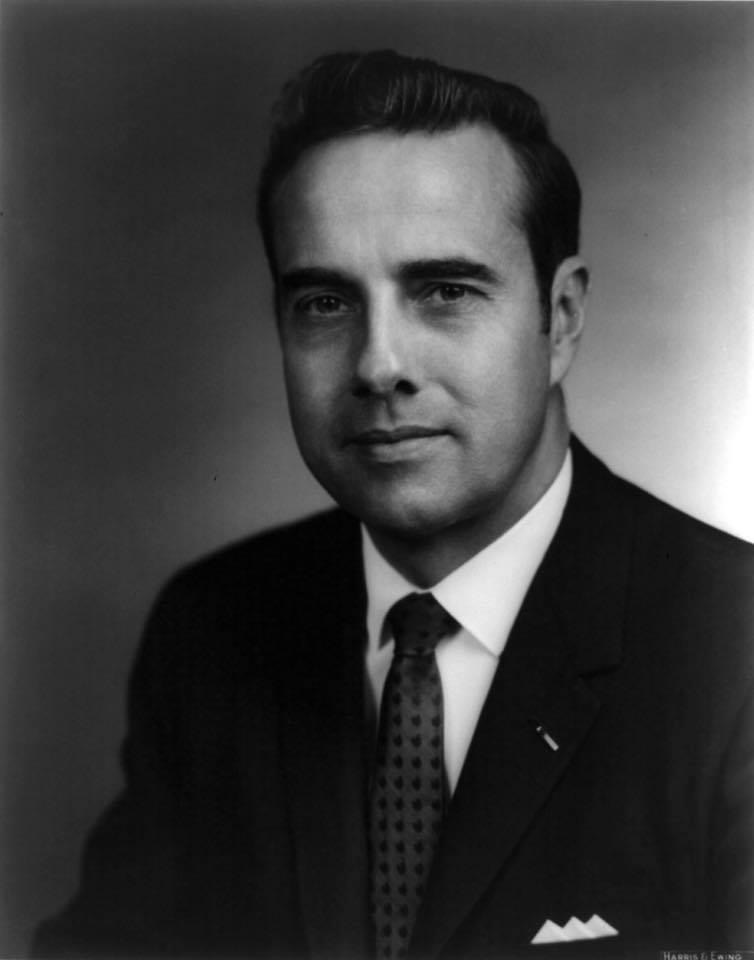
Born on July 22, 1923, long before he became a defining legislative giant of the United States Senate or a presidential nominee, Bob Dole was a boy from the dust-swept plains of Russell, Kansas. Growing up during the Great Depression, his family was intimately acquainted with economic hardship, once moving their entire living quarters into their own basement to rent out the top floor for extra income. This hardscrabble, rural upbringing instilled in him a laconic, unshakeable resilience that would define his entire public life.
The invisible, profound truth of his military portrait is the phantom weight he carried every single day after the war. In the hills of Italy in 1945, an exploding German shell shattered his right shoulder and snapped his spine, leaving him paralyzed for nearly a year. He never regained the use of his right hand; for the rest of his career, Dole famously kept a pen clutched in those frozen fingers purely to signal to others that he could not shake hands, turning a lifelong physical reminder of wartime sacrifice into a polite gesture of public grace.
