
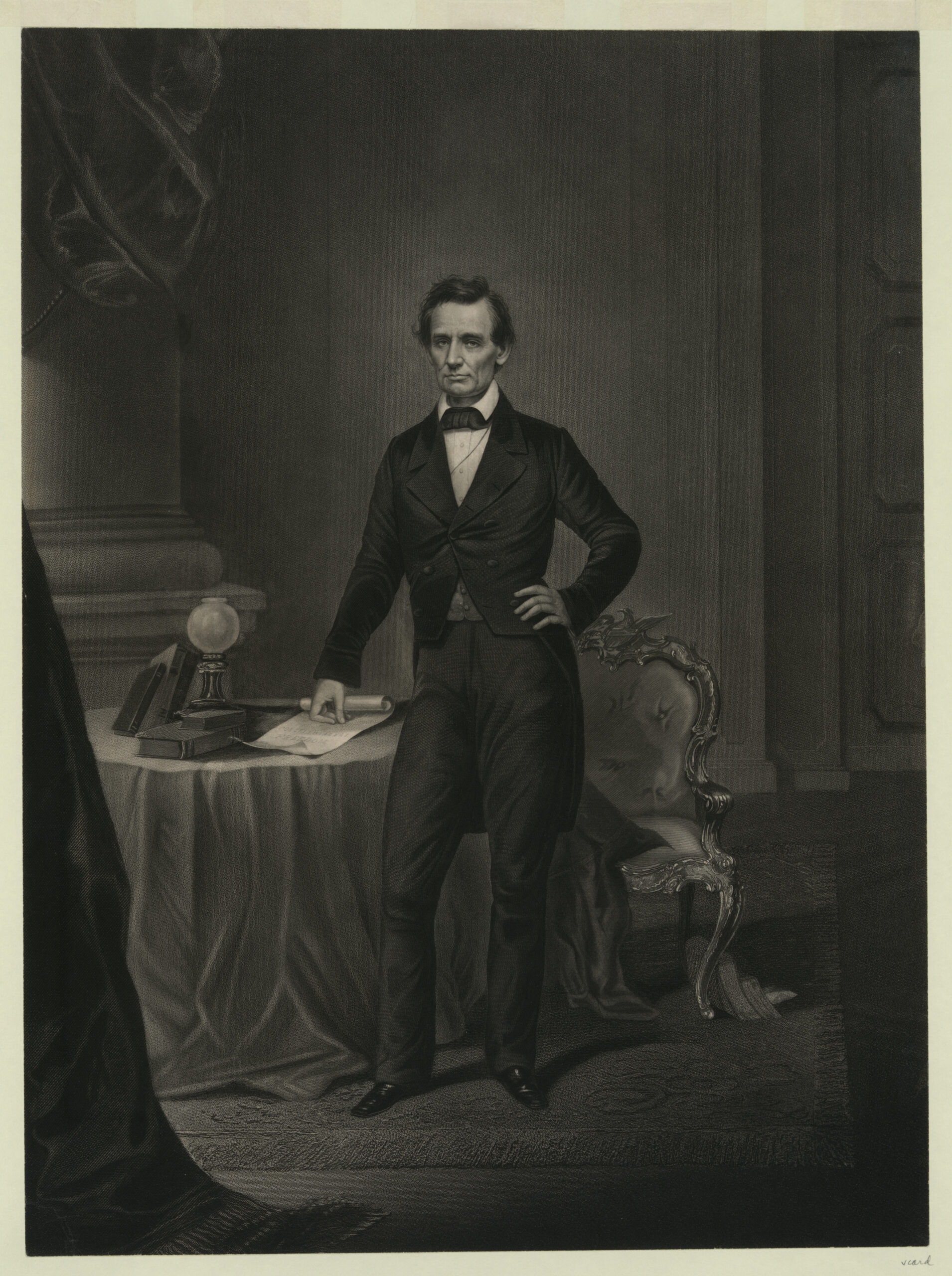
On July 17, 1862, Abraham Lincoln signed the Second Confiscation Act, a sweeping wartime measure that reinterpreted federal power by authorizing the seizure of property belonging to Confederate supporters. Contraband camps in Washington, D.C. provided temporary refuge for displaced families, while cotton — the South’s most valuable commercial resource — was confiscated across rebel‑held territory. General Benjamin Butler’s earlier declaration of enslaved laborers as “contraband of war” at Fortress Monroe helped establish the legal foundation for these broader wartime seizures.
Beneath the legal language lay the act’s quiet revolutionary core: emancipation. Unlike the cautious first confiscation act of 1861, this law explicitly declared that any enslaved person escaping from a Confederate sympathizer into Union lines was “forever free.” By forbidding Union officers from returning refugees to their enslavers, the act transformed the Union Army into a vast engine of liberation months before the Emancipation Proclamation, turning thousands of displaced laborers from confiscated military property into free American citizens.
The act also triggered a bureaucratic scramble inside the War Department, which suddenly had to manage thousands of newly freed people seeking wages, housing, and protection. This administrative chaos forced the federal government to confront the practical realities of emancipation long before Lincoln announced it publicly, making the Second Confiscation Act the true beginning of federal involvement in Black freedom.
