
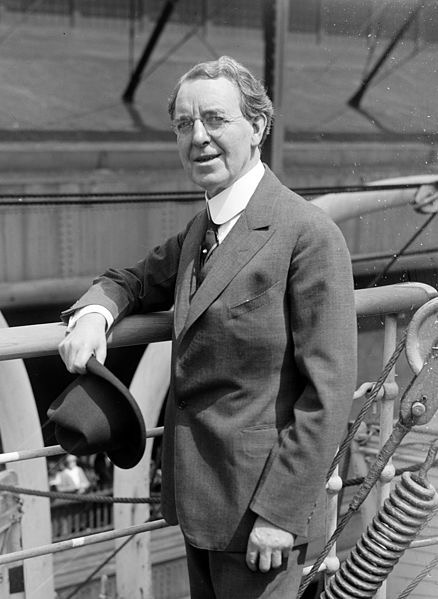
Born in Ireland on June 17, 1867, John Robert Gregg grew up with severe hearing damage caused by a strict schoolmaster who struck his ears. This childhood isolation drove him to study existing shorthand methods, ultimately leading him to invent a fluid, phonetic system based on the natural slope of longhand writing, which he brought to the United States in 1893.
Gregg Shorthand did more than just speed up note-taking; it acted as an engine for women’s entry into the professional workforce. By replacing cumbersome, geometric shorthand systems with his rapid, flowing script, Gregg drastically accelerated office dictation just as the typewriter was exploding in popularity. This dual technological boom created millions of skilled administrative, journalistic, and legal stenography jobs, allowing women to achieve unprecedented financial independence at the turn of the century.
