
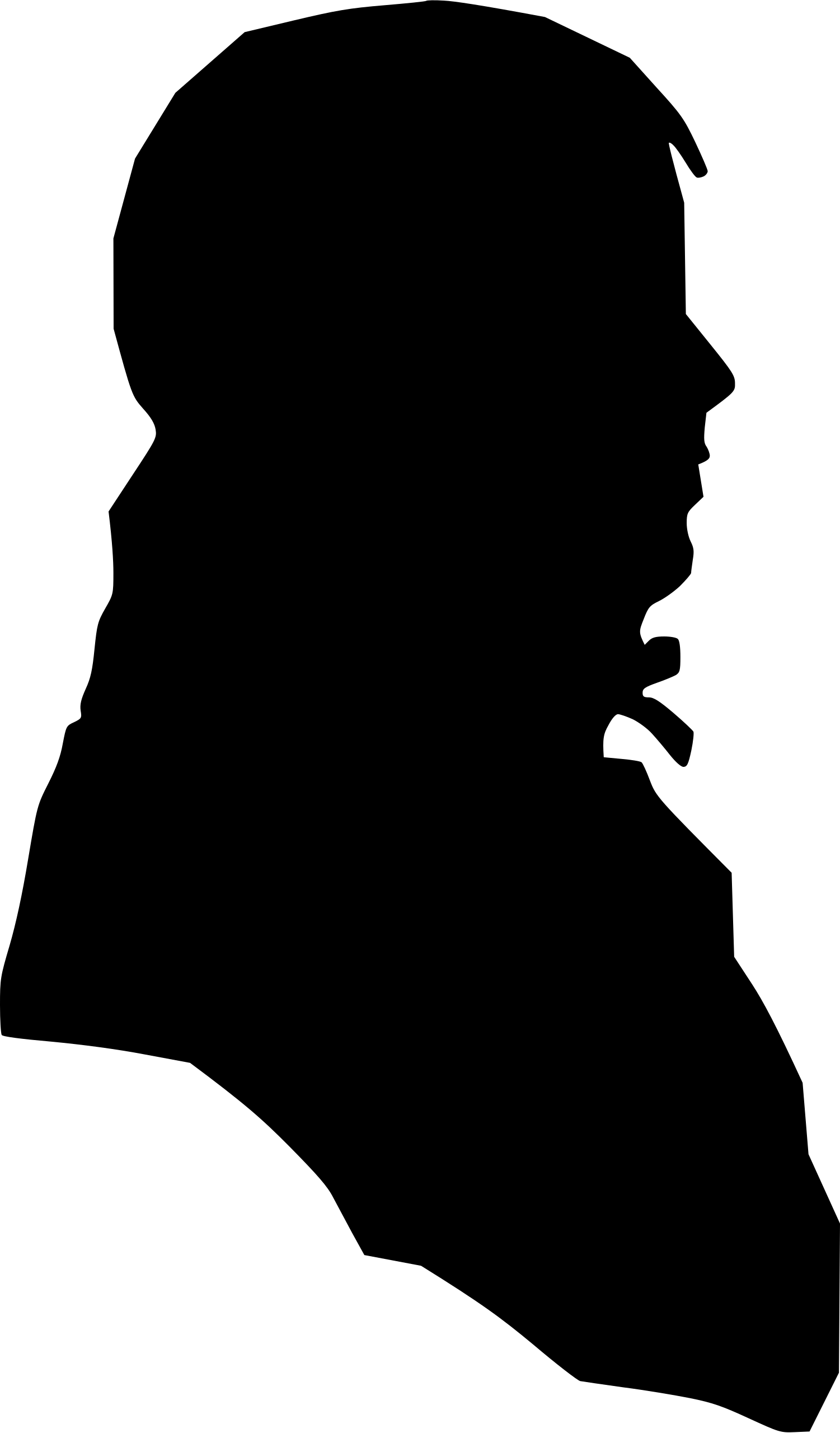
During the turbulent summer of the American Revolution, Jack Jouett performed a daring act of heroism that saved the intellectual core of the Virginia government. On the night of June 3, 1781, he spotted a fast‑moving column of British dragoons and realized their target was the legislature meeting down the road. Mounting his horse, Jouett plunged into the pitch‑black wilderness, racing 40 miles through tangled vines, ravines, and dense underbrush to outrun the enemy.
Early accounts describe him arriving bloodied and slashed by branches, the cost of navigating unlit forest paths at full speed. Later tradition held that his face was permanently scarred, though with only a silhouette surviving and no contemporary portrait, the true extent of his injuries remains part of the legend surrounding his ride.
His warning allowed Thomas Jefferson, Patrick Henry, and other key leaders to escape capture — a narrow salvation for the revolutionary cause. Yet Jouett’s feat was overshadowed by Paul Revere, whose ride was immortalized in poetry. Jouett’s desperate sprint through the Virginia night remains one of the Revolution’s most heroic but least celebrated rescues.
