
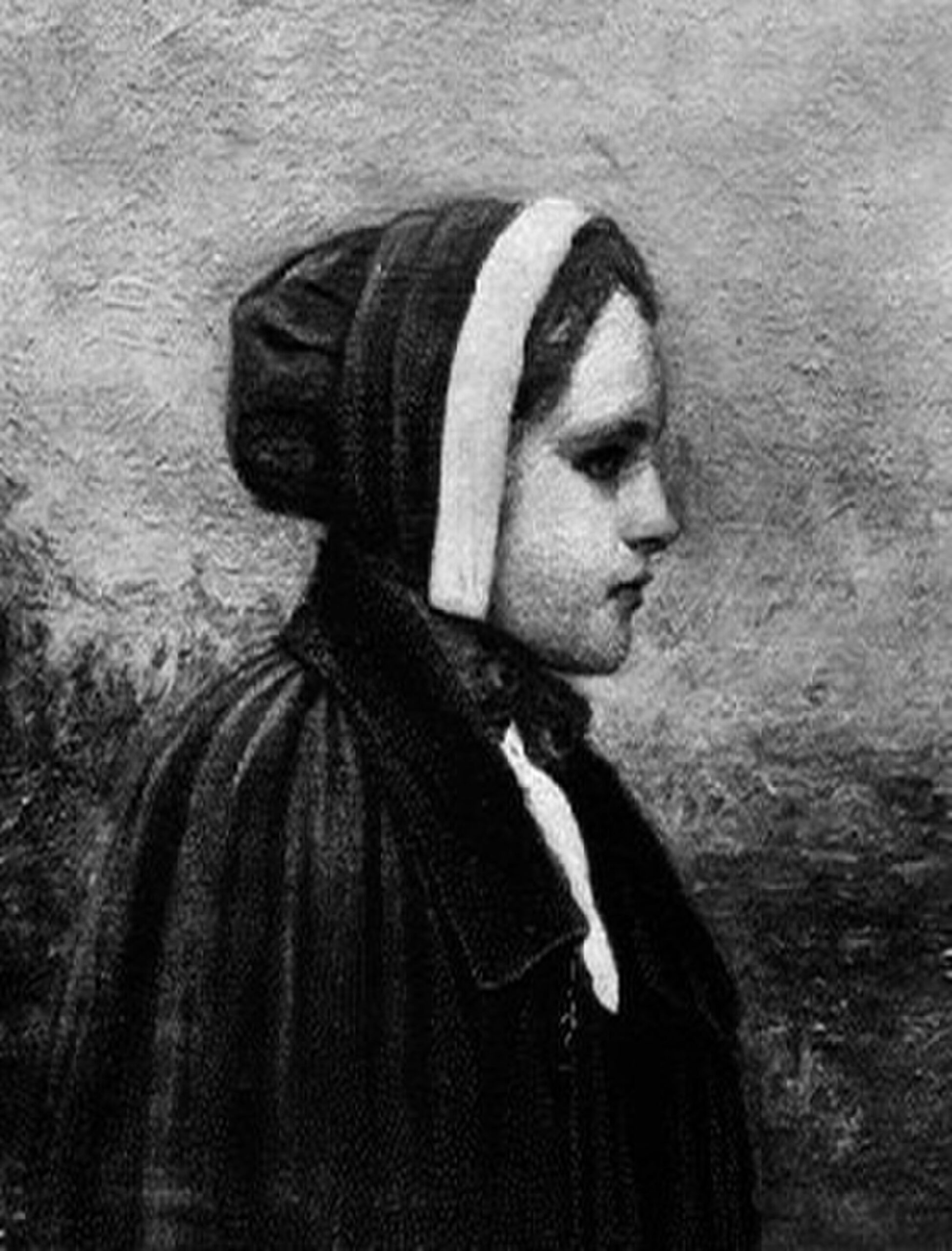
On June 10, 1692, Bridget Bishop became the first person executed during the Salem Witch Trials when she was hanged at Gallows Hill. A tavern owner known for her bright clothing and outspoken manner, Bishop stood out in a community that demanded quiet conformity from women. Her reputation made her an easy target when fear and suspicion swept through Salem Village.
The newly established Court of Oyer and Terminer relied heavily on “spectral evidence,” allowing accusers to claim invisible torment at the hands of the accused. Bishop’s execution opened the floodgates: eighteen more people would be hanged and one pressed to death before the hysteria ended. Her fate remains a stark reminder of how quickly social tensions can turn into state‑sanctioned violence.
