
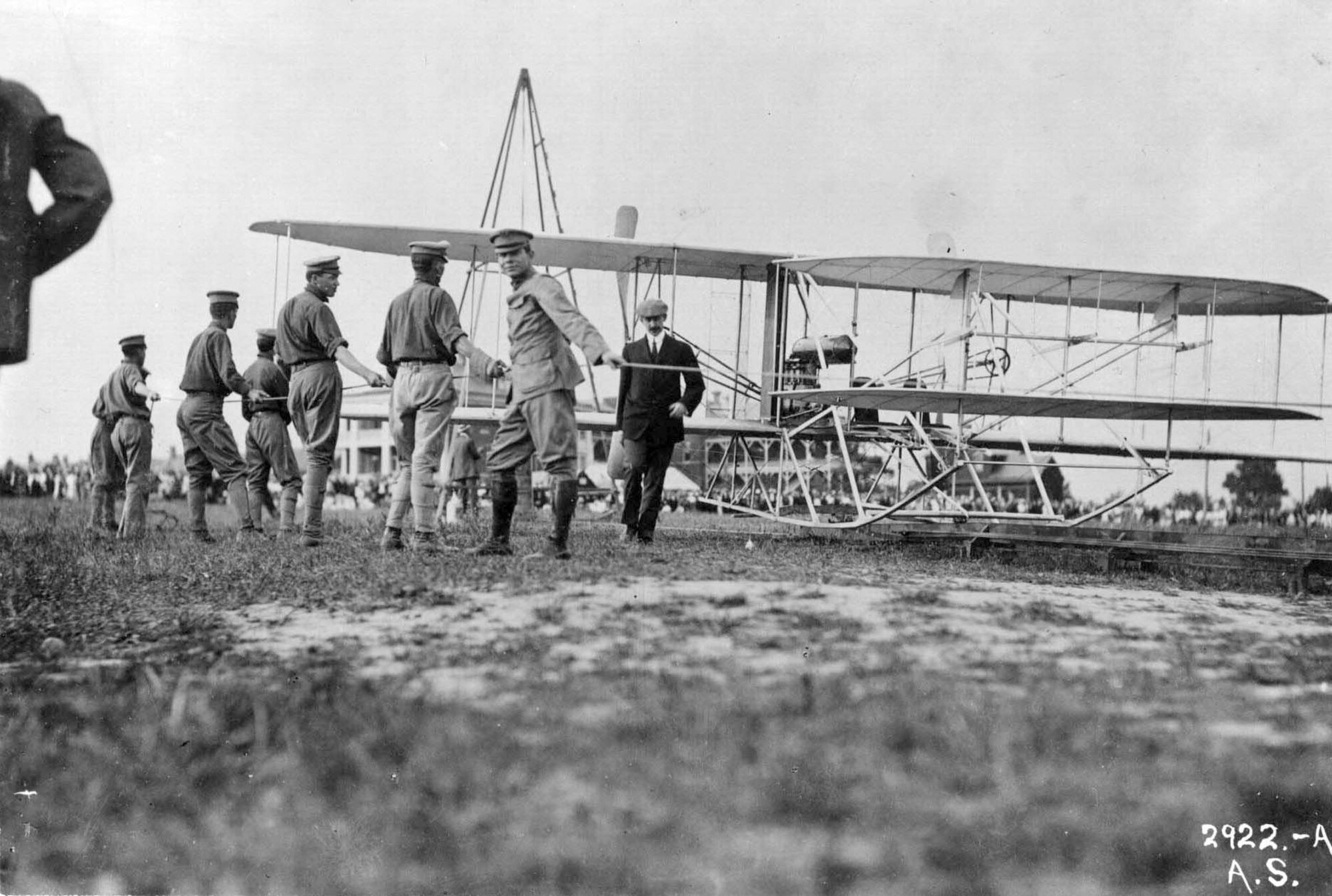
When Orville Wright returned to Fort Myer on July 30, 1909, he was stepping back onto the very ground where his life had nearly ended less than a year earlier. At this Virginia outpost, a catastrophic crash had shattered Orville’s body and claimed the life of Lieutenant Thomas Selfridge—the first military aviation fatality. The psychological terror of flying again in the same place where a friend had died would have paralyzed most men, but Orville’s heart was bound by a deep love for his craft and an unyielding promise to his brother Wilbur.
When he took to the air on that summer morning, he was not merely demonstrating aerodynamics; he was confronting his own trauma. Flying the newly redesigned Model A Flyer, Orville pushed the machine past 40 miles per hour, fulfilling the rigid requirements of the U.S. Army Signal Corps and securing a historic government contract. The feat proved that mechanical progress is often forged through immense emotional fortitude.
The engine powering this triumphant flight was built on the same principles and design lineage as the one that had failed the year before—a deliberate act of engineering redemption. By breathing new life into a machine born from the lessons of tragedy, Orville transformed a symbol of grief into a vehicle of victory, forever altering how humanity understands courage in the face of fear.
