
In the midst of the brutal, fog-shrouded Aleutian Islands campaign, the Japanese occupation of Kiska Island, Alaska, had become a costly stalemate. Recognizing that a defensive stand would result in total annihilation, the Japanese military executed a daring, highly secretive evacuation on July 29, 1943. Under the cover of an incredibly dense summer fog, a fleet of Japanese cruisers and destroyers slipped past American naval blockades, successfully extracting over 5,000 soldiers from the island in less than an hour.
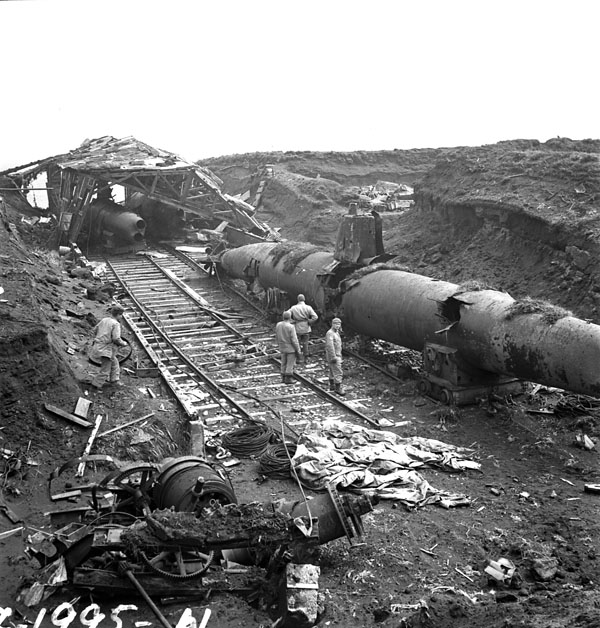
When U.S. and Allied forces launched a massive amphibious assault on the island a few weeks later, they expected a bloody, entrenched battle. Instead, they discovered a completely abandoned wasteland of empty bunkers, scuttled submarines, and stray dogs. Despite the complete absence of an enemy force, the chaotic landing operations—plagued by thick fog, hidden landmines, and friendly fire incidents—resulted in over 300 Allied casualties, making the capture of Kiska one of the strangest tragedies of World War II.
This event stands as a haunting testament to the psychological toll and confusion of warfare. The Japanese evacuation was an extraordinary logistical success that saved thousands of lives, yet it left behind an eerie, ghost-like atmosphere that confused Allied intelligence. The tragedy of the bloodless landing underscored the terrifying reality that in war, fear, isolation, and an unforgiving environment can be just as deadly as an opposing army.
