
On May 28, 1830, the United States crossed a line it could never uncross.
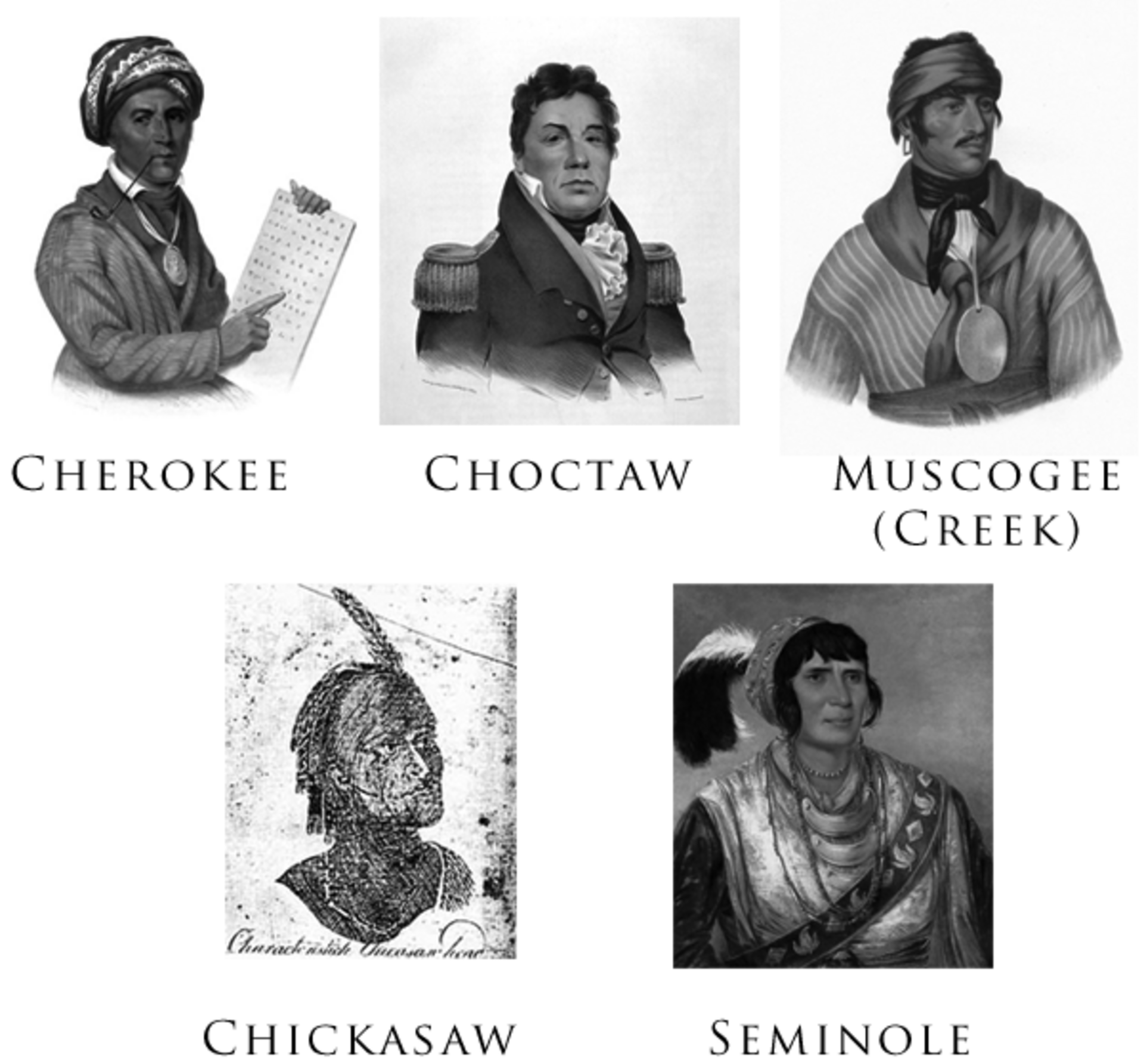
That day, President Andrew Jackson signed the Indian Removal Act, a law pushed through Congress after months of pressure from Southern states eager to seize Native homelands for cotton expansion. The Act defied treaties, ignored Supreme Court rulings, and targeted the first peoples of the American South — the Cherokee, Muscogee, Choctaw, Chickasaw, and Seminole — nations whose roots ran deeper than the republic itself.
For these communities, removal was not a policy debate.
It was the breaking of a world.
Families were forced from cabins they built, fields they planted, and rivers that carried their stories. Soldiers marched entire nations westward, often at gunpoint, through winter storms, hunger, and disease. Children, elders, and the sick fell along the way. Mothers carried grief heavier than the few belongings they were allowed to keep.
Each nation walked its own trail — but all walked through sorrow.
Removal did not end when the marches stopped. It reshaped generations. In the years that followed, these nations rebuilt political systems, reopened schools, and re‑established community life — not because the trauma had passed, but because they overcame the rupture of removal through sheer determination.
