
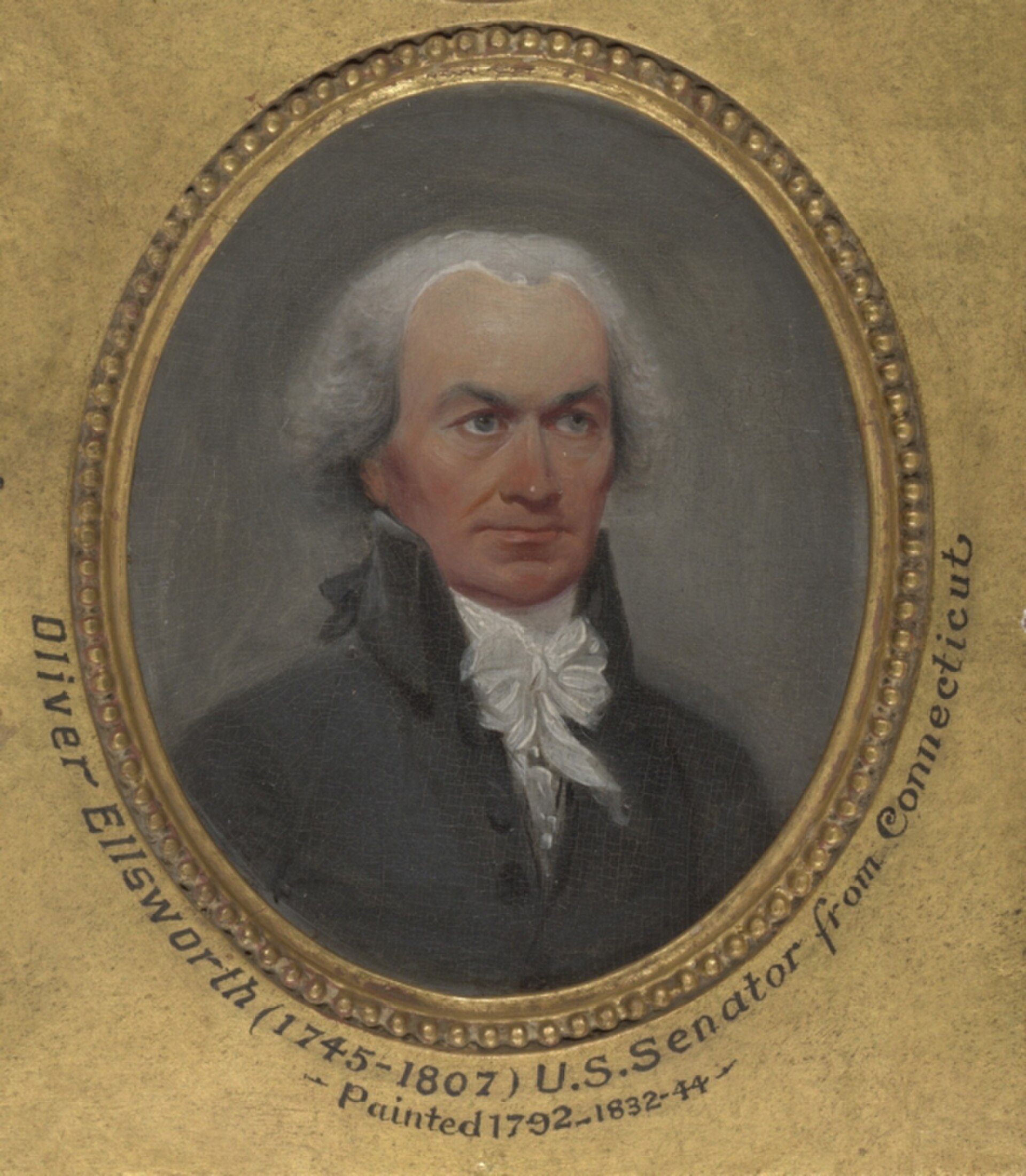
On June 20, 1787, during the high-stakes debates of the Constitutional Convention in Philadelphia, Oliver Ellsworth of Connecticut rose to introduce a subtle but monumental rhetorical pivot. Observing that the working drafts of the convention repeatedly utilized the phrase “national government” to describe the emerging federal system, Ellsworth formally moved to strike those words and replace them with “the United States.” Though the phrasing had previously echoed through the Declaration of Independence and Thomas Paine’s radical pamphlets, Ellsworth’s precise motion formalized its legal dominance over the constitutional parchment.
Ellsworth’s semantic intervention carried immense psychological and political weight for a convention deeply divided over the reach of centralized authority. By weaving “the United States” directly into the foundational framework of the government, he subtly reassured wary anti-federalist delegates that the new system would remain an inclusive union of sovereign states rather than a tyrannical, consolidated empire. This careful, brilliant refinement successfully preserved the fragile spirit of federal unity, giving a definitive name and a delicate balance of power to the world’s newest republic.
(Image: Wikimedia Commons, public domain)
