
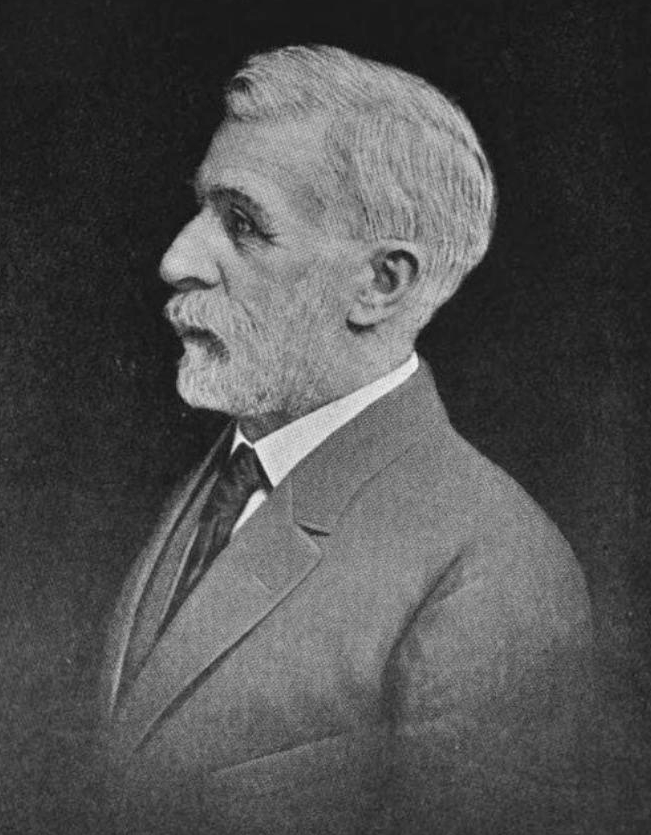
On August 11, 1841, pioneering American anatomist Burt Green Wilder was born in Boston, Massachusetts, embarking on a life that would profoundly shape the study of the human mind. After honing his surgical skills under intense battlefield conditions during the American Civil War, Wilder joined the founding faculty of Cornell University as a professor of neurology and vertebrate zoology. It was during his tenure in academia that he is widely recognized as the first scientist to introduce and formalize the term “neuron” within the English language to describe a nerve cell.
Driven by a desire to unlock the physical mysteries of human behavior and intelligence, Wilder established an ambitious neurological depository at Cornell that would later bear his name. He systematically collected human brains from all walks of life, actively soliciting donations from scholars, criminals, and everyday citizens alike. Unlike many of his contemporaries, Wilder utilized his anatomical research with a progressive social agenda, seeking to scientifically debunk prevailing 19th-century white supremacist and patriarchal claims that brain size or weight correlated to a person’s intelligence, race, or gender.
Wilder was so deeply devoted to his life’s work that he made the ultimate professional commitment to the depository prior to his passing. He legally willed his own body to science, ensuring that upon his death, his brain would be surgically extracted, preserved, and cataloged alongside the rest of his test subjects. Today, his personal specimen remains an enduring part of the Wilder Brain Collection, standing as a literal testament to a scientist who gave his entire mind to the pursuit of anatomical truth.
