
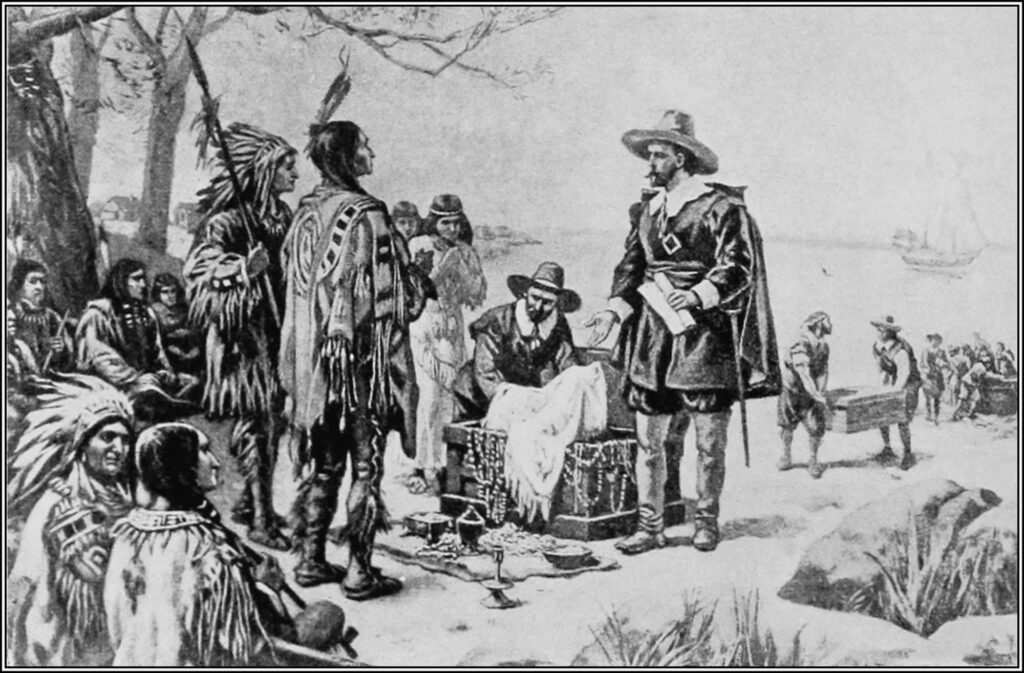
On May 24, 1626, Peter Minuit purchased Manhattan Island for trade goods valued at 60 Dutch guilders, a sum famously but inaccurately estimated as roughly 24 dollars by later historians. The true layer of this transaction reveals a massive cultural and legal disconnect rather than a cheap trick. The local indigenous people did not possess a concept of permanent land ownership or title deeds; instead, they interpreted the exchange of cloth, kettles, and iron axes as a diplomatic alliance and a treaty granting shared hunting and settlement rights. To add to the complexity, some historians argue that the Dutch may actually have negotiated with the Canarsee people, based largely in what is now Brooklyn, who likely did not hold primary territorial claims to Manhattan—meaning the Dutch may have paid a group whose authority over the island was, at best, indirect.