
The sinking of the USS Indianapolis on July 30, 1945, remains one of the most harrowing accounts of collective human suffering in naval history, showcasing the terrifying fragility of life against an indifferent ocean. Just days after completing its secret mission to deliver atomic bomb components to Tinian, the cruiser was ripped open by two Japanese torpedoes and sank into the dark Pacific in just twelve minutes. For the 890 sailors who managed to escape into the oil-choked water, the true nightmare was only beginning.
For nearly five agonizing days, these men drifted in the open ocean without food, fresh water, or any knowledge of when rescue would arrive. The psychological horror of their ordeal was unimaginable, as sailors battled hallucinations, dehydration, and constant, terrifying shark attacks. In the quiet darkness of the Pacific nights, the men held onto one another, watching their comrades lose their minds to delirium or slip silently beneath the waves from sheer exhaustion.
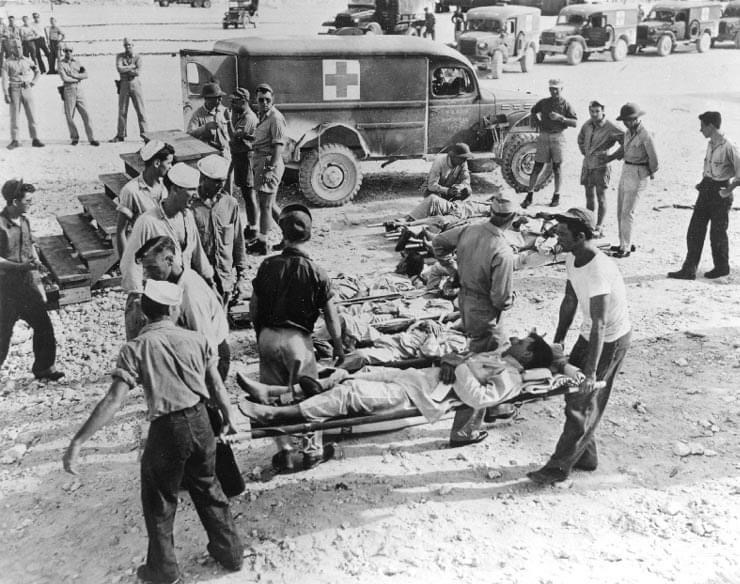
When rescue operations finally arrived on August 2, only 316 men were pulled from the water. The survivors carried profound emotional scars, enduring decades of survivor’s guilt and the memory of their friends’ final screams. The tragedy of the Indianapolis is a somber reminder of the immense human cost hidden beneath the grand strategies of war, illustrating how quickly the human heart can be pushed to its absolute limits of endurance.

Atlantic?
Thanks
All fixed