
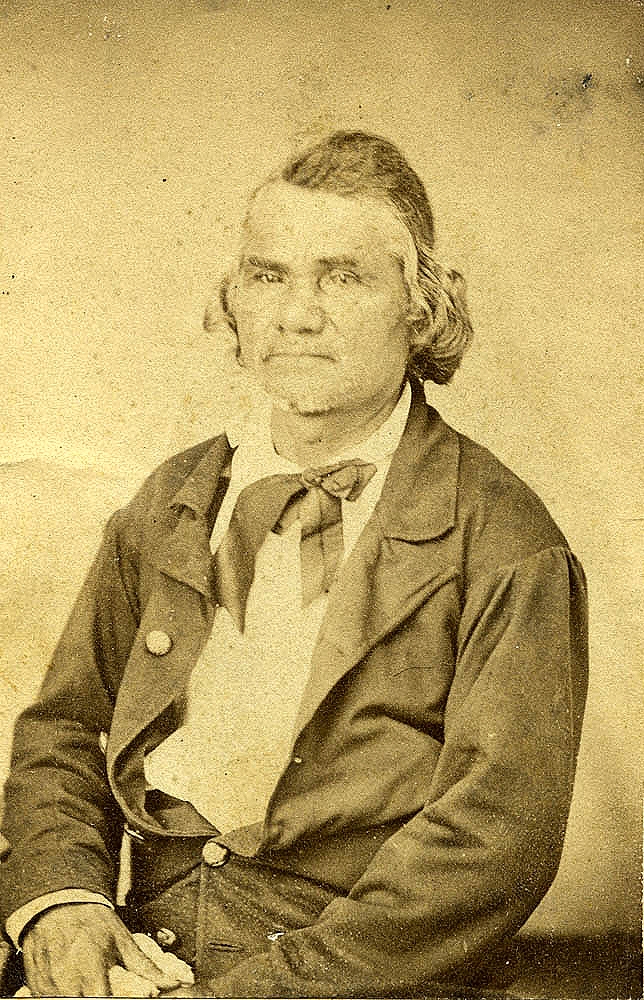
On June 23, 1865, Chief Stand Watie made history by becoming the final Confederate general to officially surrender to Union forces. Representing the Cherokee Nation, Watie laid down his arms at Doaksville nearly two and a half months after Robert E. Lee’s surrender at Appomattox. His capitulation marked the quiet, formal end to organized land hostilities in a war that fractured families and sovereign nations alike.
A fascinating layer of this event lies in the unique terms Watie negotiated. Unlike other defeated southern commanders, Watie secured a specialized treaty that protected Cherokee property rights and granted his men legal immunity from federal treason charges. As the only Native American to achieve the rank of brigadier general during the conflict, his final act was not a total submission, but a tactical diplomatic maneuver to preserve his people’s sovereign autonomy.
Image via Wikimedia Commons, public domain
