
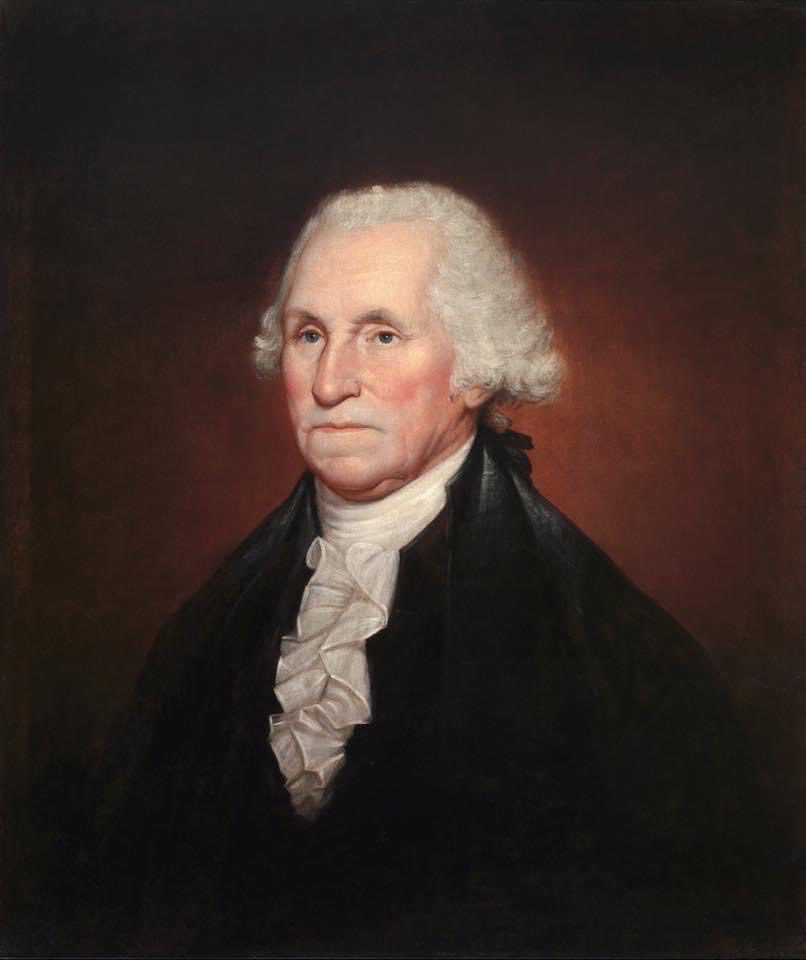
On August 18, 1795, President George Washington signed the Treaty of Amity, Commerce, and Navigation, better known as the Jay Treaty. It was an agreement between the United States and Great Britain generally designed to put an end to lingering disputes since the Treaty of Paris. Washington’s executive signature was a bold, highly calculated gamble designed to rescue the newborn United States from the brink of a catastrophic second war.
Since the formal conclusion of the Revolution, British forces had defiantly refused to evacuate their western military posts, while their naval armadas routinely seized American merchant vessels and impressed sailors. Chief Justice John Jay was dispatched to London to negotiate a settlement, producing a highly controversial compromise that secured commercial peace but surrendered significant maritime trading rights in the West Indies.
The publication of the treaty terms ignited an unprecedented explosion of public rage across a deeply polarized country. Republican critics fiercely accused the Washington administration of betraying the ideals of 1776, burning John Jay in effigy across multiple cities and throwing stones at Alexander Hamilton during a public rally. By prioritizing long-term economic stability over short-term national pride, Washington successfully averted a military conflict the young republic could not afford, solidifying federal authority over foreign policy.
Image: George Washington in 1795 by Rembrandt Peale via Wikimedia Commons, public domain
