
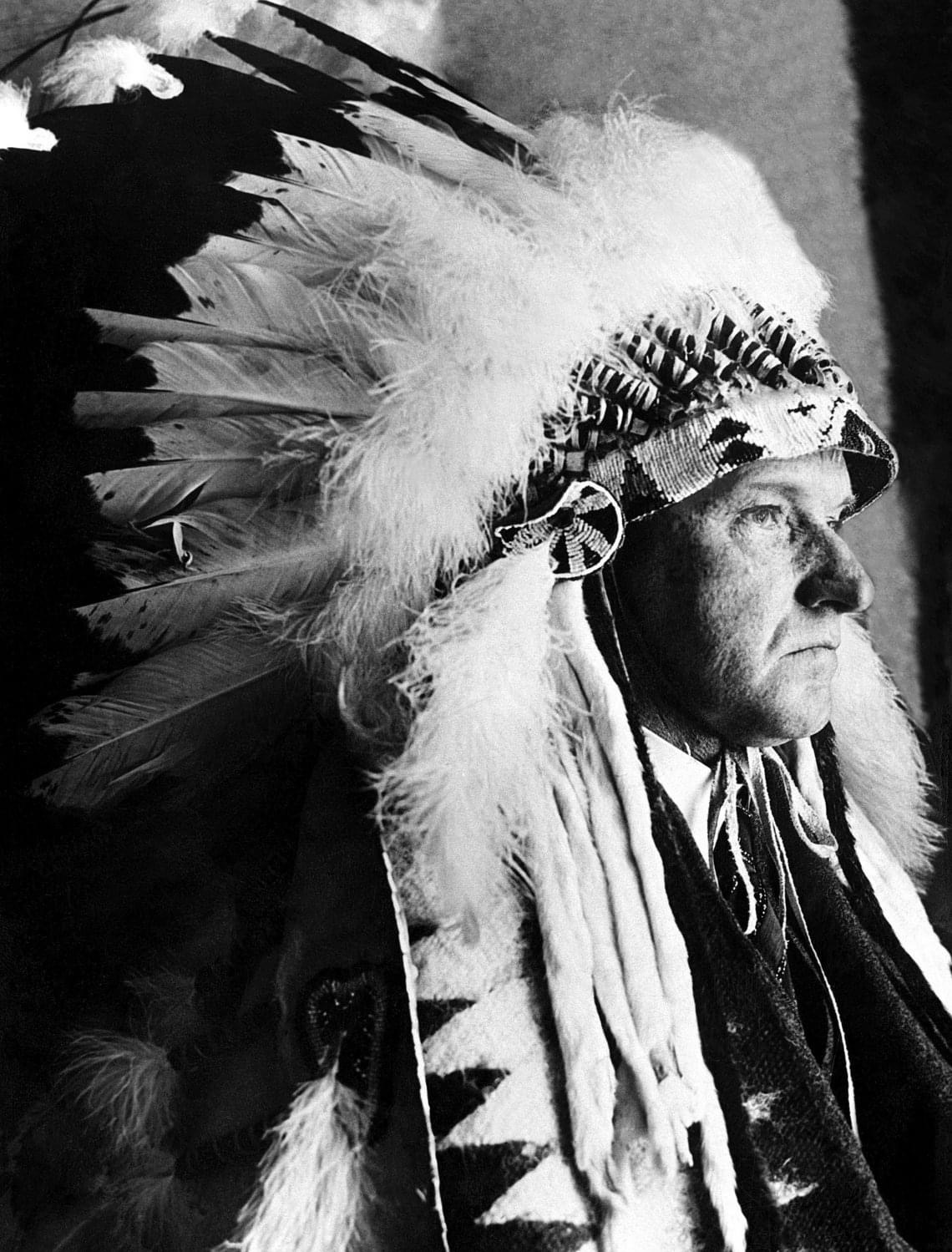
On June 2, 1924, President Calvin Coolidge signed the Indian Citizenship Act, granting full U.S. citizenship to all Native Americans born within the nation’s borders. Before this act, nearly two‑thirds of Indigenous people were denied citizenship and its protections.
The legislation did not erase the injustices Native communities had endured, nor did it immediately guarantee equal rights in every state. But it marked a significant shift in federal policy, acknowledging the rightful place of Indigenous peoples within the American civic framework.
For countless Native families, this day represented long‑overdue recognition of dignity and belonging. It affirmed that the first peoples of this land deserved the full rights of the nation built upon it — a milestone that still carries meaning and responsibility today.
