
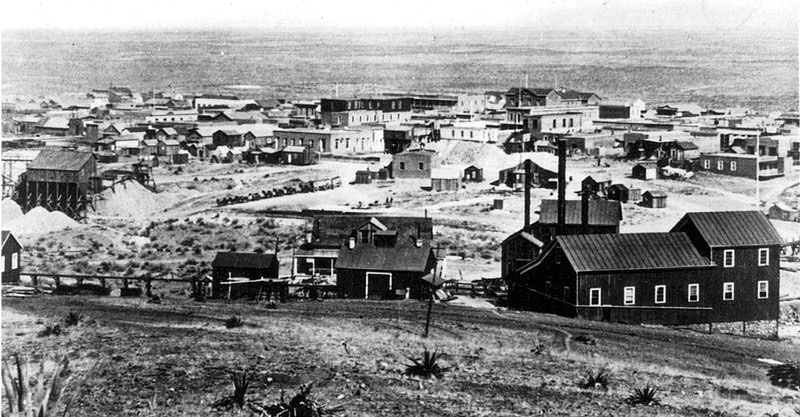
On the afternoon of October 26, 1881, a brief gunfight in a narrow vacant lot near the O.K. Corral in Tombstone, Arizona Territory, became one of the defining episodes of American frontier mythology. Tombstone town marshal and deputy U.S. marshal Virgil Earp, his brothers Wyatt and Morgan, and temporary deputy John “Doc” Holliday confronted members of the loosely organized Cowboys faction, including the Clanton and McLaury brothers. In roughly thirty seconds, about thirty shots were fired. Billy Clanton and Frank and Tom McLaury were killed; Virgil, Morgan, and Holliday were wounded. The encounter would eventually acquire a symbolic importance far beyond its immediate circumstances.
The shooting emerged from overlapping struggles over authority, economic interests, partisan allegiance, and personal power in a booming silver-mining town. The Earps drew support from business interests that favored municipal order, while their Cowboy opponents maintained connections to rural ranching interests and rival political authorities, including Cochise County sheriff Johnny Behan. These divisions make the confrontation more complicated than a simple contest between lawful civilization and frontier disorder. At issue was not merely whether the law should prevail, but who possessed the authority to enforce it—and whether the men carrying badges were exercising public power or pursuing private grievances.
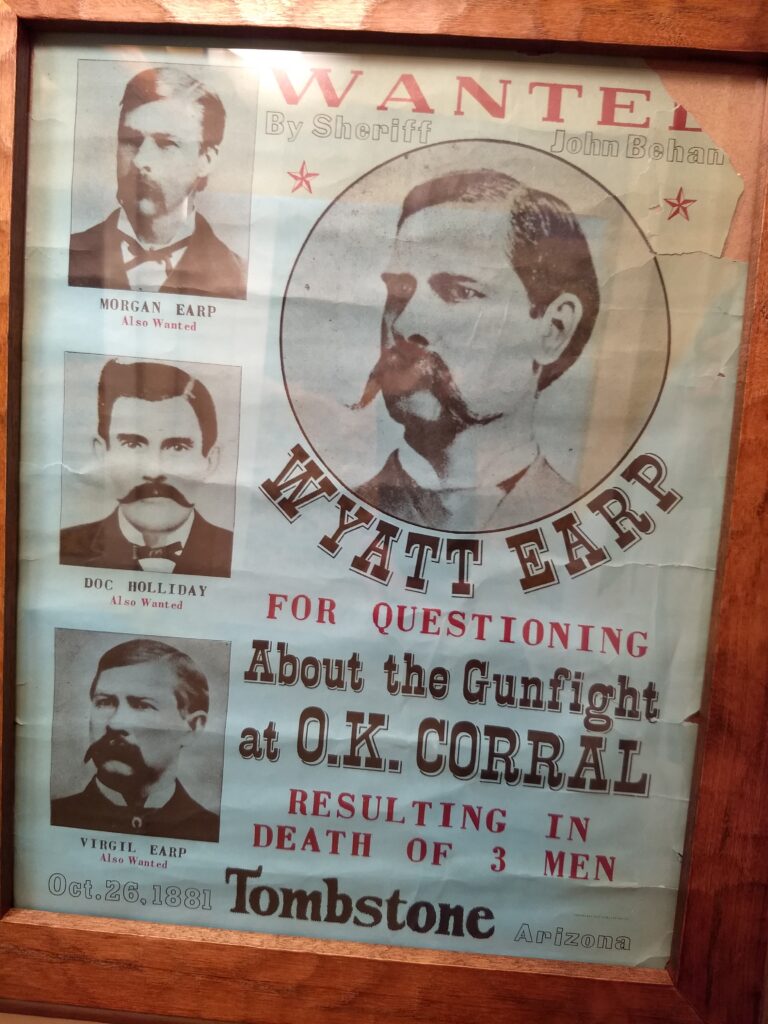
The gunfight did not resolve those conflicts. Murder charges and a preliminary hearing followed, with Justice Wells Spicer finding insufficient cause to send the Earps and Holliday to trial. Subsequent attacks on the Earp family, including Morgan’s assassination, helped set the stage for Wyatt Earp’s retaliatory “Vendetta Ride.” The episode’s transformation into legend depended on later retellings that simplified disputed motives and divided loyalties into a more recognizable struggle between heroes and villains. Its enduring significance lies in that distance between the event and its mythology: a brief, contested exercise of local authority became an emblem of how the American West was supposedly won.
