
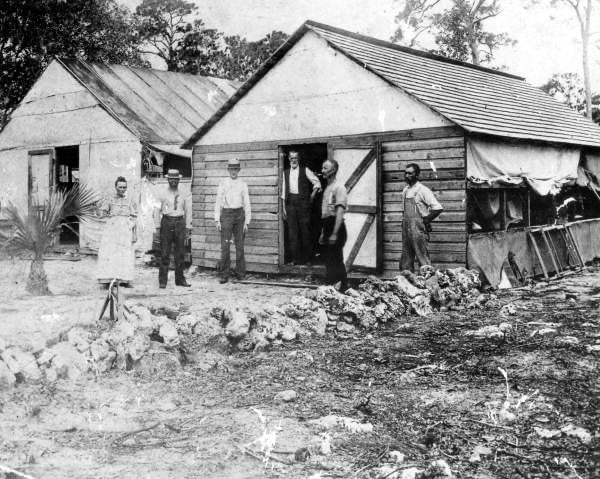
On July 28, 1896, a small, sun-baked settlement of wooden boarding houses and sprawling citrus groves officially incorporated as the City of Miami, Florida. At the time, the tiny frontier community boasted just over 300 registered residents, mostly pioneers, laborers, and farmers carved into a subtropical wilderness of dense mangroves and limestone ridges. It was a town born out of sheer grit, isolated from the rest of the American eastern seaboard by miles of uncharted wetlands.
The catalyst for this sudden birth was the iron will of two visionary pioneers: businesswoman Julia Tuttle, known as the “Mother of Miami,” and industrialist Henry Flagler. Recognizing the untapped potential of the deep-water Biscayne Bay, Tuttle famously convinced Flagler to extend his Florida East Coast Railway southward after a devastating freeze spared her groves. The arrival of the first steam locomotive earlier that year laid the literal track for an immediate real estate boom, transforming an isolated trading post into an accessible destination overnight.
That hot July voting day, held in a modest pool room, marked the official arrival of Miami on the American map. It was the humble beginning of what would become a booming international crossroads. These early wooden boarding houses, captured in fading black-and-white photographs, served as the bedrock for a subtropical metropolis built entirely on iron rails, real estate dreams, and geographic destiny.
