
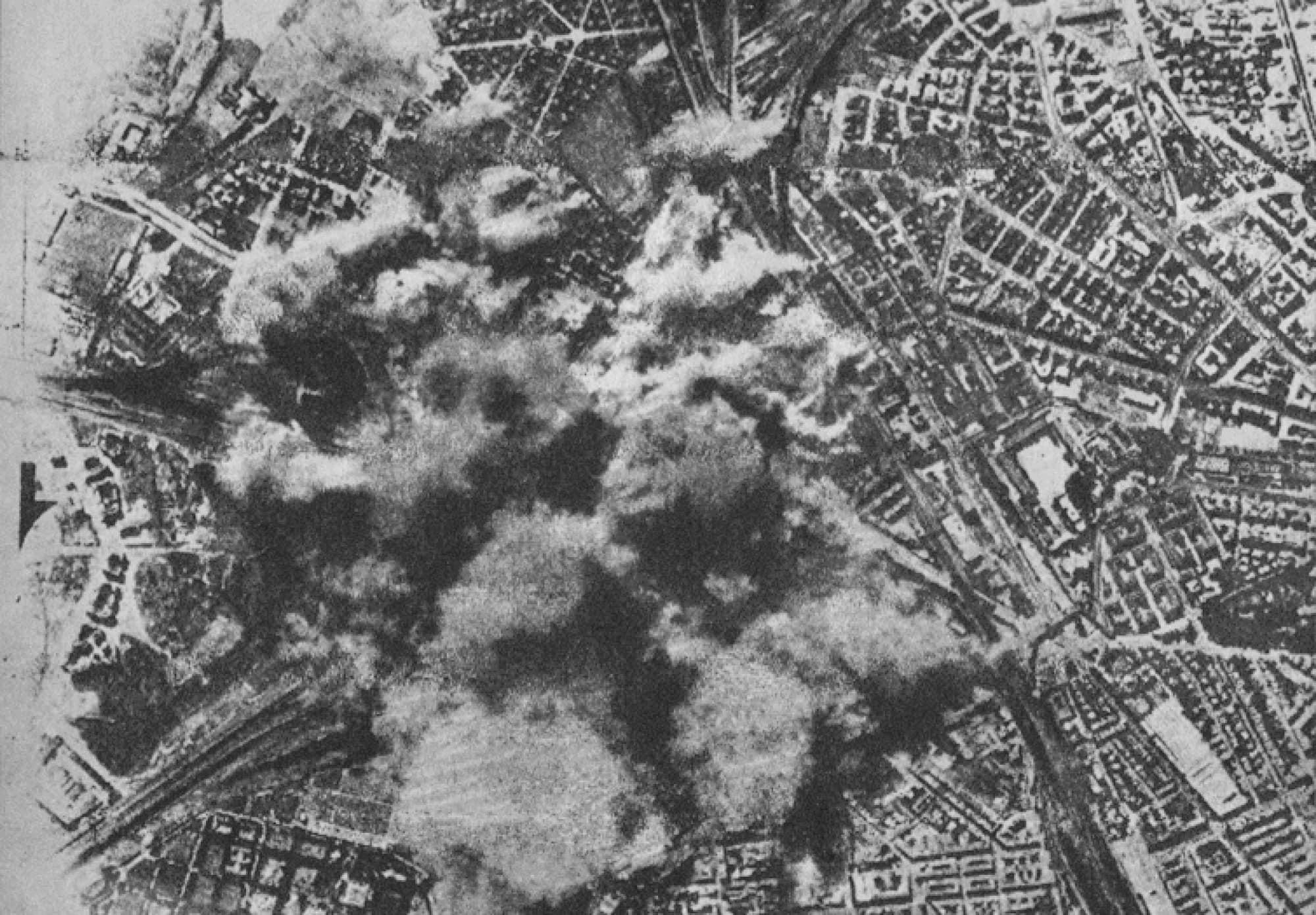
On July 19, 1943, hundreds of American aircraft swept over Rome and dropped thousands of bombs on the city in an effort to cripple Axis manufacturing centers and freight lines. The strike was a calculated gamble: a long‑delayed decision that reshaped Italian politics within days. For years, Allied commanders had resisted targeting the historic capital, fearing that damage to irreplaceable cultural treasures or religious sites would provoke global outrage. When the operation was finally approved, pilots received strict orders to avoid these sensitive areas. Even so, the precision attack on the industrial San Lorenzo rail yards produced heavy collateral destruction and significant civilian casualties.
The shock was immediate and profound. Romans had been assured repeatedly that the city’s cultural and spiritual stature would spare it from the worst of modern warfare. Watching the sky fill with Allied aircraft shattered that illusion. The raid broke the political equilibrium at home, unleashing panic among civilians and frantic maneuvering within the Fascist government. The regime’s authority—already weakened by battlefield defeats—collapsed almost overnight. Within six days, the Fascist Grand Council moved decisively, orchestrating the sudden ousting and arrest of Benito Mussolini, ending two decades of dictatorship in a single, stunning political reversal.
Image via Wikimedia Commons, no known restrictions
