
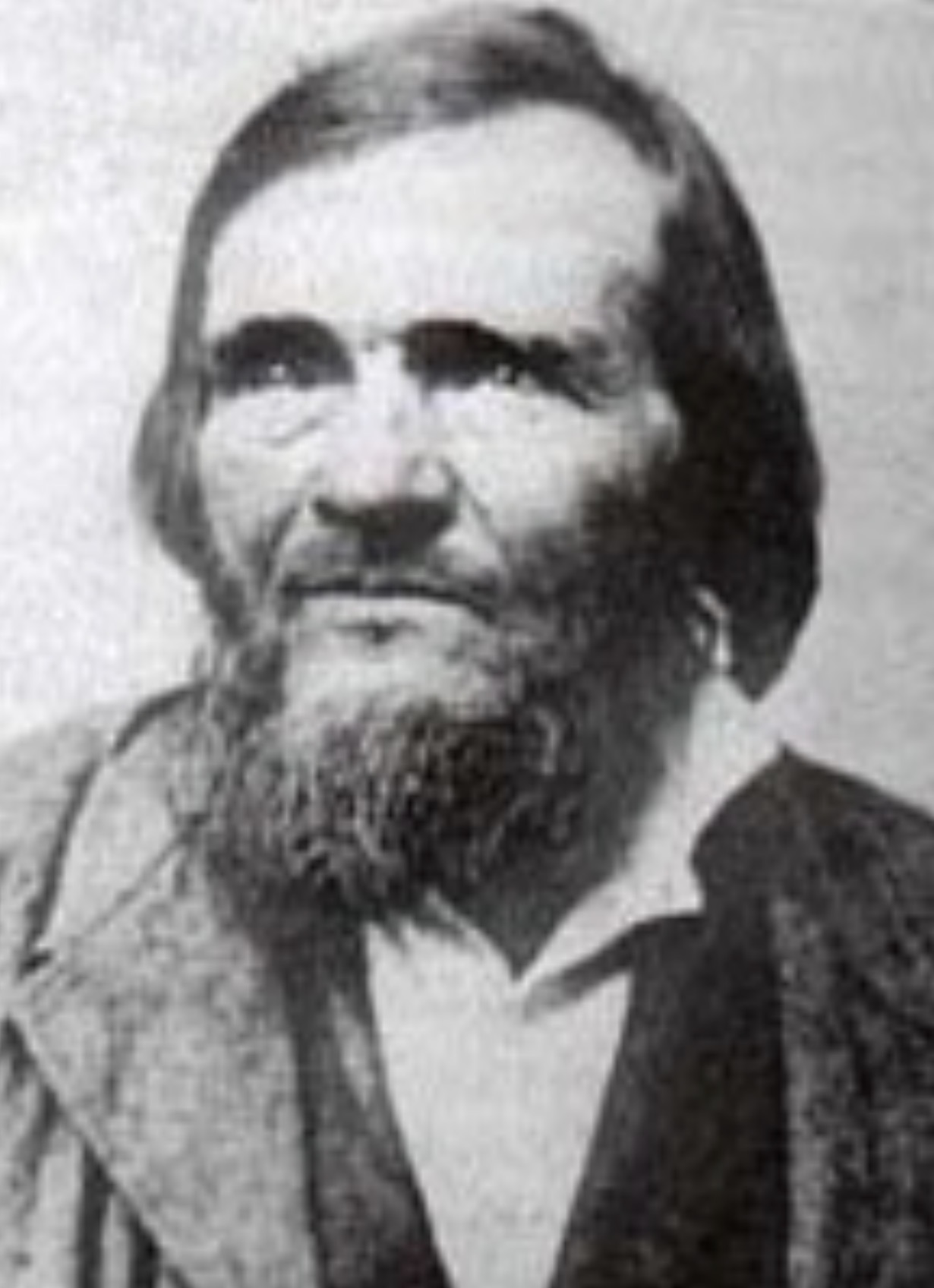
On October 17, 1835, during the opening weeks of the Texas Revolution, Daniel Parker offered a resolution to the Permanent Council proposing a corps of Texas Rangers to defend frontier settlements. The proposal built on a practice dating to 1823, when Stephen F. Austin employed men to act as rangers for the protection of his colony. Rather than covering only the territory between the Brazos and Trinity rivers, the proposed corps included three groups totaling 60 men, with assignments extending east of the Trinity and westward to the Colorado River. October 17 was therefore an important organizing milestone, but not the single, definitive date on which the modern agency came into existence.
Further action in November established a more formal organization. On November 24, 1835, Texas lawmakers authorized three companies of 56 men each, commanded collectively by a major, with enlistments lasting one year. These early Rangers primarily performed frontier-defense duties, and some served as scouts or participated in fighting during the Revolution. They furnished their own horses, weapons, and equipment, but they were not expected to operate entirely without compensation: the arrangements authorized $1.25 per day for pay, rations, clothing, and horse service. Their role was closer to that of mounted frontier soldiers than to that of modern investigative police officers.
These early companies were predecessors of the Texas Rangers that developed through successive reorganizations during the nineteenth and twentieth centuries. Important changes included the 1874 reorganization and grant of peace-officer status, a further law-enforcement reorganization in 1901, and incorporation into the Texas Department of Public Safety in 1935. Their history includes frontier defense, military scouting, and criminal investigations, but also episodes of abuse and violence, particularly against people of Mexican descent. The October 1835 proposal is best understood as one significant step in that long and complicated institutional history, rather than the immediate creation of a permanent, modern police force.
