
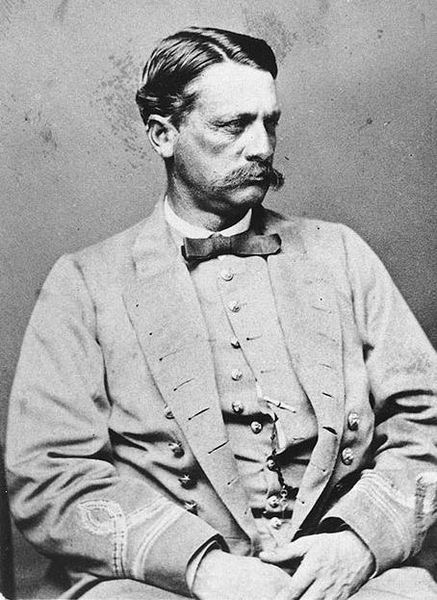
On November 6, 1865, nearly seven months after General Robert E. Lee’s surrender at Appomattox, James Waddell (shown) surrendered the Confederate commerce raider CSS Shenandoah to British authorities at Liverpool, England. Originally the merchant steamship Sea King, the vessel had been secretly acquired and converted into a warship off Madeira. Her mission carried the American Civil War far beyond the battlefields of the United States, targeting American merchant shipping and the distant Pacific whaling fleet.
During a yearlong circumnavigation commonly recorded as 58,000 miles, Shenandoah captured or destroyed thirty-eight ships, most of them whalers. Her cruise included a stop at Melbourne, Australia, before she reached the North Pacific and Arctic whaling grounds. Much of her destruction occurred after the collapse of Confederate resistance on land. Although Waddell received reports of Southern defeats, he continued operations until August 2, 1865, when the British merchant bark Barracouta supplied news that convinced him the war was over.
Concerned that continued Confederate operations could expose his crew to prosecution for piracy, Waddell had the guns dismounted and stowed below and altered the vessel’s appearance to resemble a merchant ship. He then made a nonstop passage around Cape Horn to England. At Liverpool on November 6, the captain of HMS Donegal accepted the surrender, and Shenandoah lowered what the U.S. Navy describes as the last official Confederate flag.
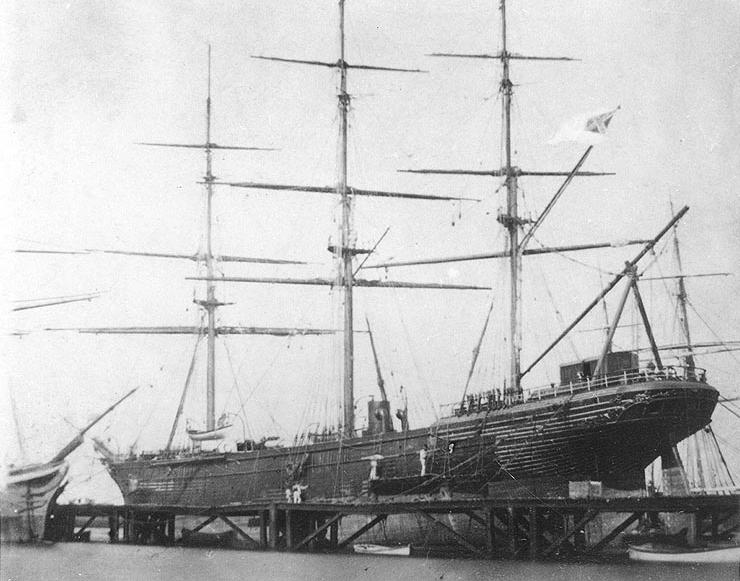
The surrender marked the end of the Confederate raider’s extraordinary cruise, but its diplomatic consequences continued. Shenandoah became part of the broader Alabama claims over Britain’s responsibilities as a neutral power. In 1872, an international arbitration tribunal at Geneva ordered Britain to pay the United States $15.5 million in compensation for the claims—an important example of international arbitration resolving a major dispute between nations.
The story of Shenandoah reveals how far America’s domestic conflict reached: into Australian ports, Arctic whaling grounds, British diplomatic affairs, and the developing practice of international arbitration.
