
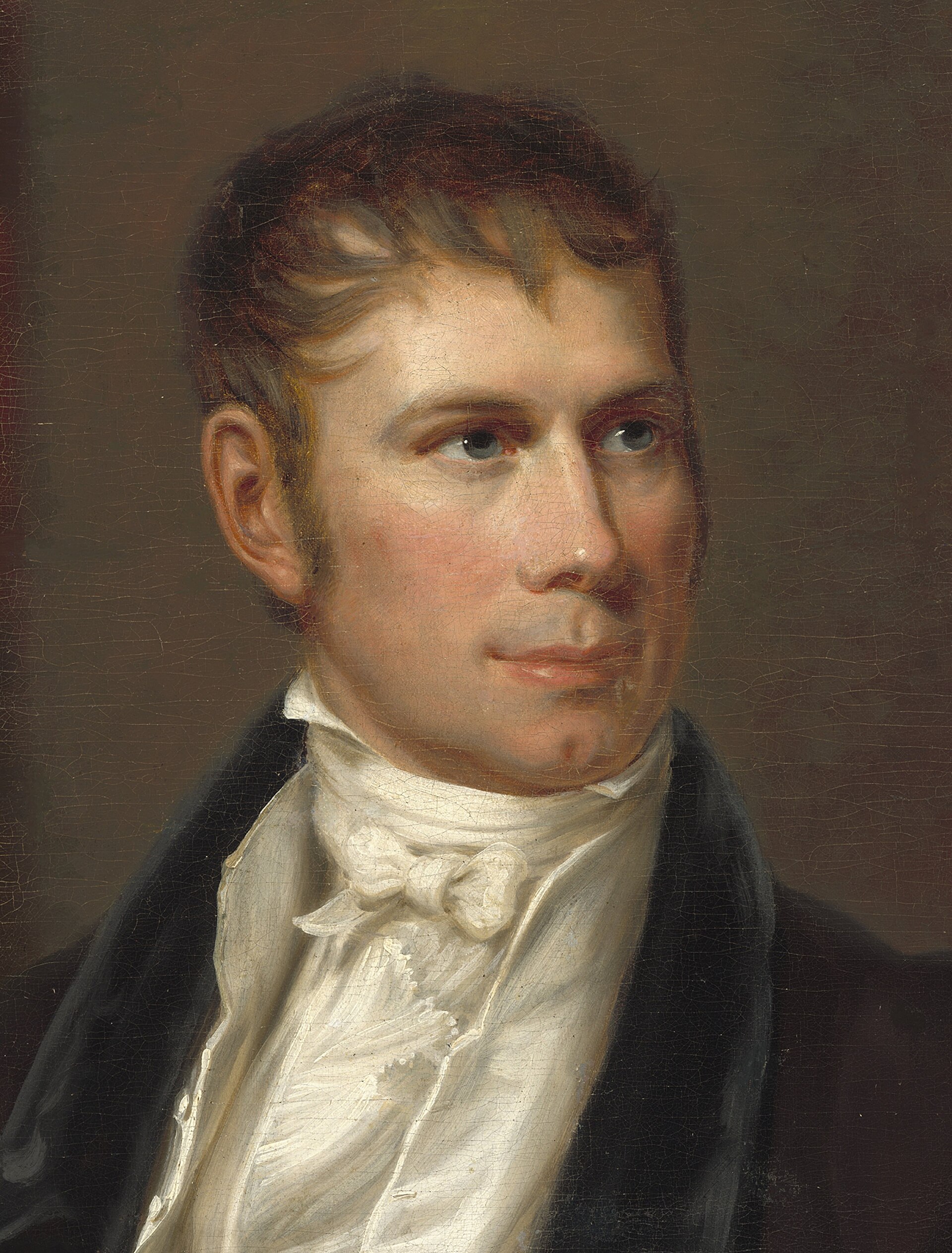
The United States lost one of its most towering political architects on June 29, 1852, when Senator Henry Clay of Kentucky succumbed to tuberculosis in his room at the National Hotel in Washington, D.C. Known internationally as the “Great Compromiser,” Clay had spent nearly four decades in public service wrestling with the deepest ideological fractures threatening to tear the young republic apart. His historic legislative triumphs, including the Missouri Compromise and the Compromise of 1850, repeatedly succeeded in holding a fragile Union together, delaying the onset of a catastrophic civil war through sheer political willpower and a masterly command of democratic debate.
The profound emotional resonance of Clay’s passing lay in how his death signaled the fading of a golden age of American statesmanship. Clay was the very first American citizen to receive the distinct honor of lying in state inside the United States Capitol Rotunda, where thousands of weeping citizens gathered to pay their respects to the man who prioritized the preservation of the Union above his own political ambitions. As his funeral train made a somber, multi‑state journey back to Kentucky, grief‑stricken crowds lined the tracks in silence, recognizing that the passing of his unifying voice left the nation uniquely vulnerable to the gathering storms of sectional hatred and division.
