
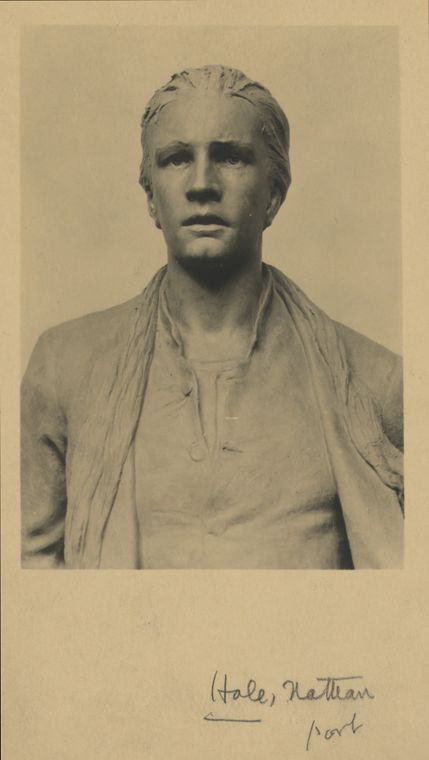
On September 22, 1776, Captain Nathan Hale, a 21-year-old officer in the Continental Army, was hanged by British forces in Manhattan. Hale had volunteered for a hazardous intelligence mission behind enemy lines, seeking information that could help General George Washington assess British troop movements following the American retreat from New York City.
Hale was captured on the night of September 21 while traveling in civilian clothing. Later accounts place his capture near Flushing Bay and describe him as using the identity of a schoolteacher, though many details of the mission remain uncertain. British records state that he confessed to being a spy and was executed at 11 a.m. the following day in front of the British Artillery Park.
Because he was operating behind British lines in disguise and carrying evidence of intelligence gathering, British commander in chief General William Howe ordered his execution. The surviving records do not provide a full account of any proceedings before the hanging, but they indicate that Hale’s death followed swiftly after his capture.
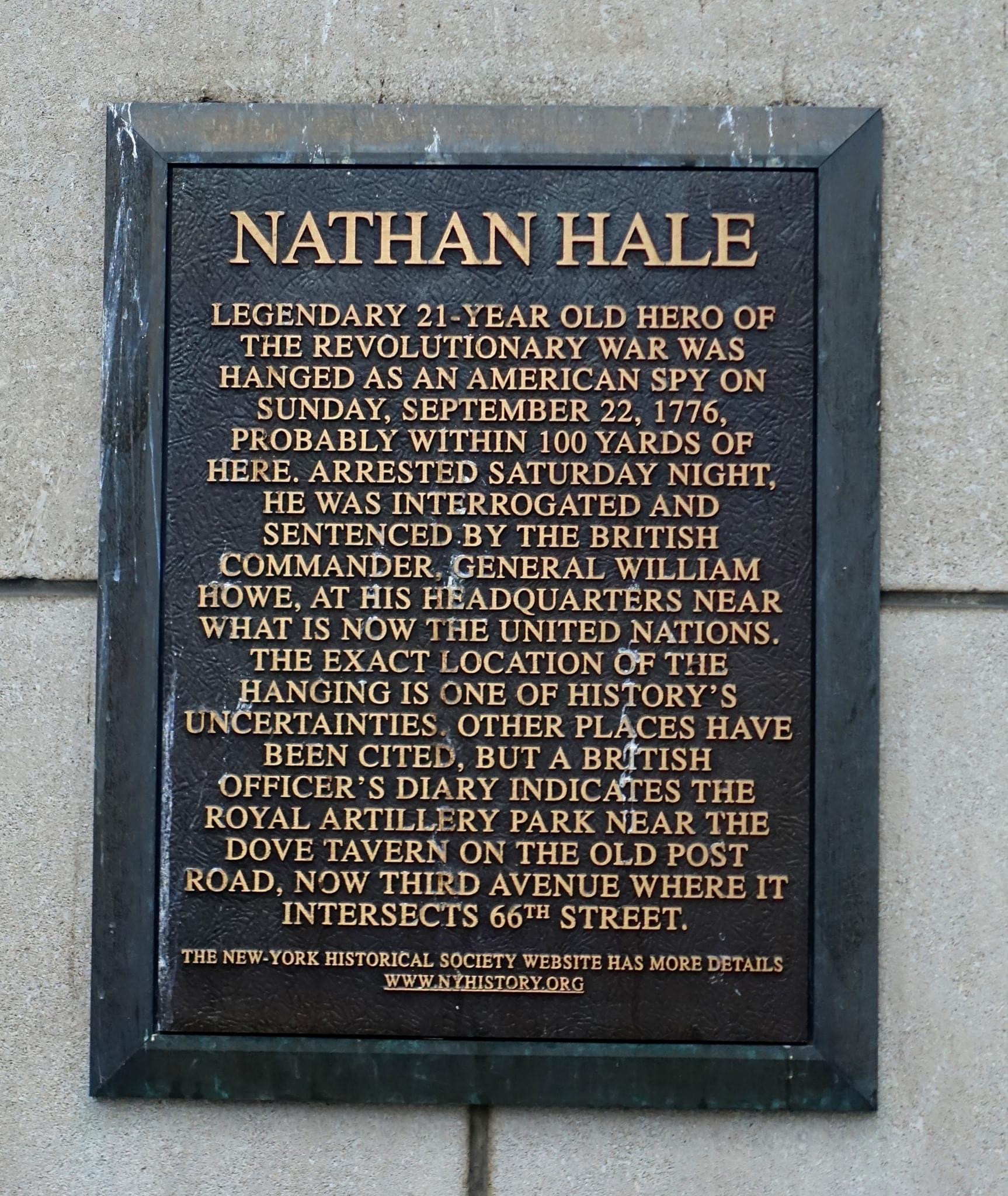
Hale is traditionally remembered for the words, “I only regret that I have but one life to lose for my country.” However, no contemporary transcript confirms that exact sentence. The best contemporary evidence describes him as meeting death with composure and resolution, while later accounts transformed his final moments into one of the American Revolution’s most powerful legends.
Although Hale’s mission failed, his death became an enduring symbol of patriotism, courage, and personal sacrifice in the struggle for American independence.
