
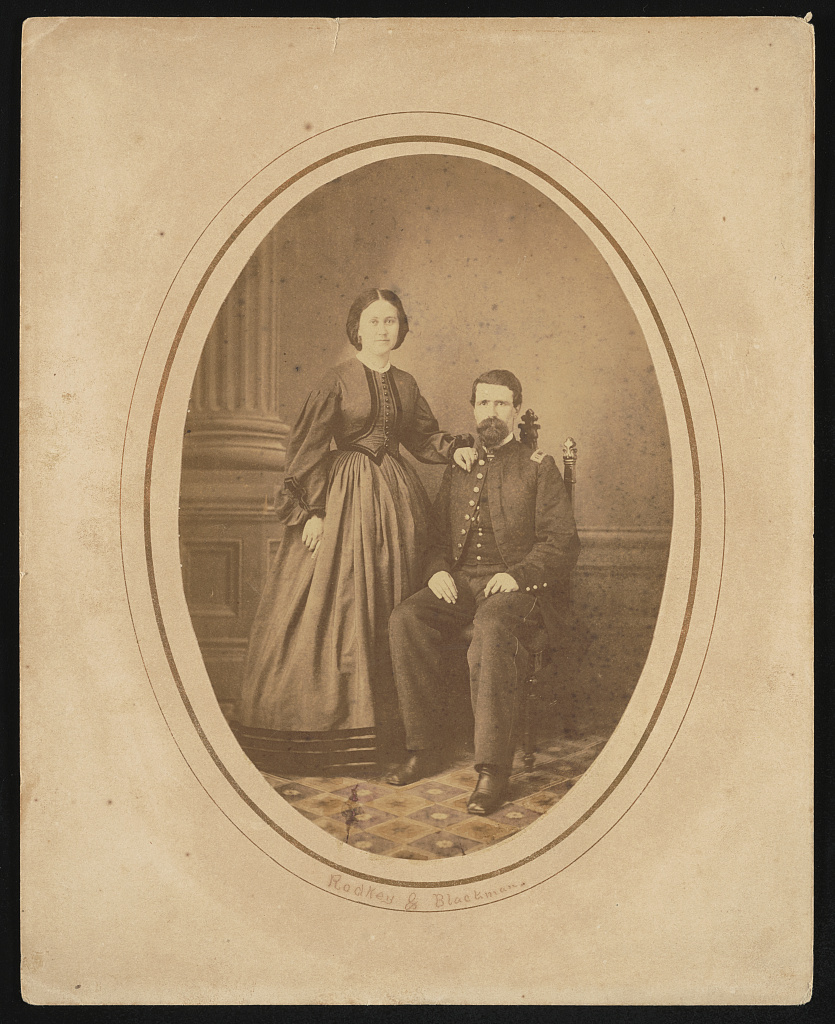
On September 8, 1863, amid fighting near Telford and Limestone Station in East Tennessee, Capt. Leonard B. Blinn was captured by Confederate forces during the American Civil War. Blinn, an officer of Company C, 21st Ohio Infantry, entered the Confederate prison system at a moment when large numbers of Union soldiers were being taken prisoner in the East Tennessee campaign.
Blinn was confined at Libby Prison in Richmond, Virginia, before being transferred in May 1864 to Camp Oglethorpe in Macon, Georgia. During that transfer, he and another officer, Capt. Hunt, reportedly sawed their way out of a boxcar in an unsuccessful attempt to escape. Later accounts associated with Blinn describe three escape attempts, reflecting both the danger of Confederate captivity and the persistence of prisoners determined to regain Union lines.
His captivity also took him through Camp Oglethorpe and the Confederate prison complex at Columbia, South Carolina, where prisoners endured crowding, inadequate food, disease, uncertainty, and separation from home. Blinn’s correspondence with his wife, Caroline, provides a personal record of that experience: not simply military imprisonment, but an extended struggle to preserve hope, identity, and family connection amid war.
Blinn ultimately returned to Union service and later witnessed the assassination of President Abraham Lincoln in Washington. His story is therefore notable not only for its escape attempts, but also for the letters and recollections that preserve the human dimension of Civil War imprisonment. The surviving portrait of Leonard and Caroline Blinn is held by the Library of Congress.
Image: Capt. Leonard B. Blinn and Caroline M. Blinn. Library of Congress; no known restrictions on publication.
