
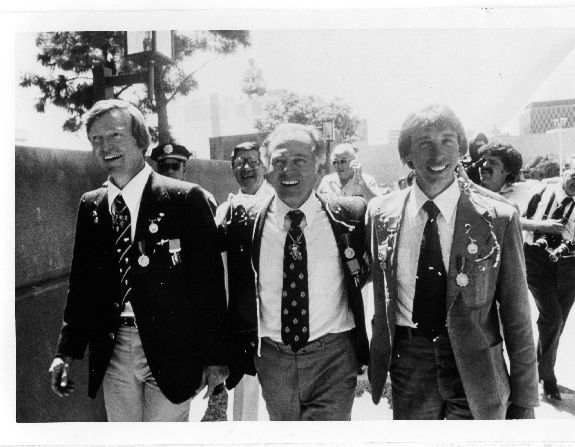
On August 17, 1978, American balloonists Ben Abruzzo, Max Anderson, and Larry Newman touched down in a barley field outside Paris, becoming the first pilots in history to cross the Atlantic Ocean in a hot‑air balloon. Their vessel, the Double Eagle II, had lifted off from Presque Isle, Maine on August 11, beginning a 137‑hour odyssey across one of aviation’s last unconquered frontiers.
Inside their open‑air gondola, the crew endured sub‑zero temperatures, sleep deprivation, and severe equipment failures. At times they were forced to toss heavy gear overboard simply to maintain altitude over the vast, unforgiving ocean. For more than a century, dozens of aeronauts had perished or vanished attempting the same feat, leading many engineers to declare the crossing impossible.
Their successful landing electrified global media and transformed a dangerous gamble of raw endurance into an immortal milestone of American ingenuity and aerospace nerve.
