
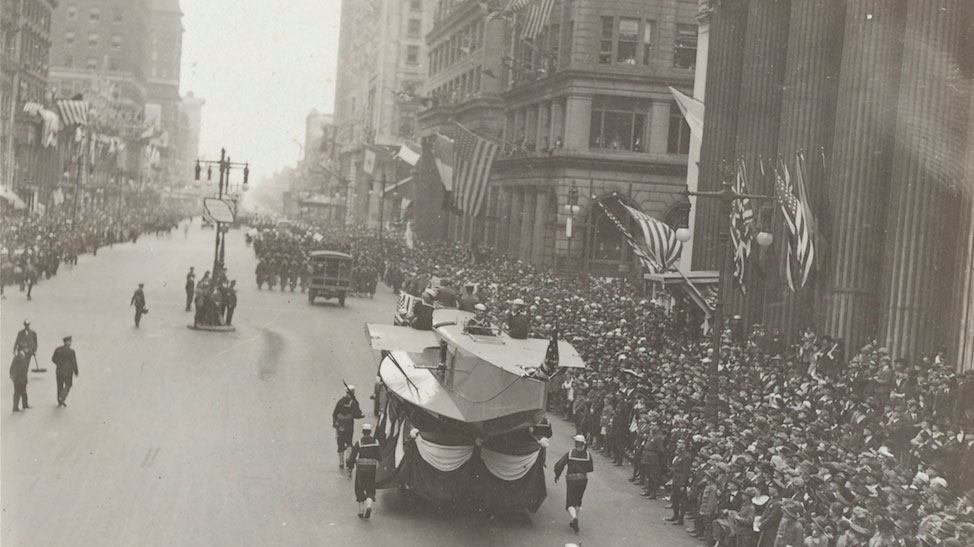
On September 28, 1918, more than 200,000 spectators packed Philadelphia’s streets for the Fourth Liberty Loan Parade, a vast civic event intended to sell war bonds and support the U.S. war effort in Europe. Influenza was already spreading at the Philadelphia Navy Yard and within the city, and health officials and medical advisers had warned that a mass gathering could intensify the outbreak. Nevertheless, city officials allowed the parade to proceed.
The consequences were catastrophic. Within 72 hours, every bed in Philadelphia’s 31 hospitals was filled as influenza spread rapidly through the city. In the week ending October 5, roughly 2,600 Philadelphians died from influenza or its complications. The following week, the toll rose to more than 4,500.
In the weeks that followed, Philadelphia faced a humanitarian crisis. Hospitals overflowed, medical personnel were scarce, and families struggled to find care for the sick or burial services for the dead. By spring 1919, Philadelphia had recorded an estimated 12,191 deaths from the pandemic.
The Liberty Loan Parade did not create Philadelphia’s influenza epidemic; the virus was already circulating. But by bringing an enormous crowd together at a critical moment, it likely accelerated transmission and magnified the city’s catastrophe. The episode has endured as a defining public-health lesson about the danger of mass gatherings during fast-moving outbreaks—and the cost of delaying protective measures.
Image via Wikimedia Commons; no known copyright restrictions.
