
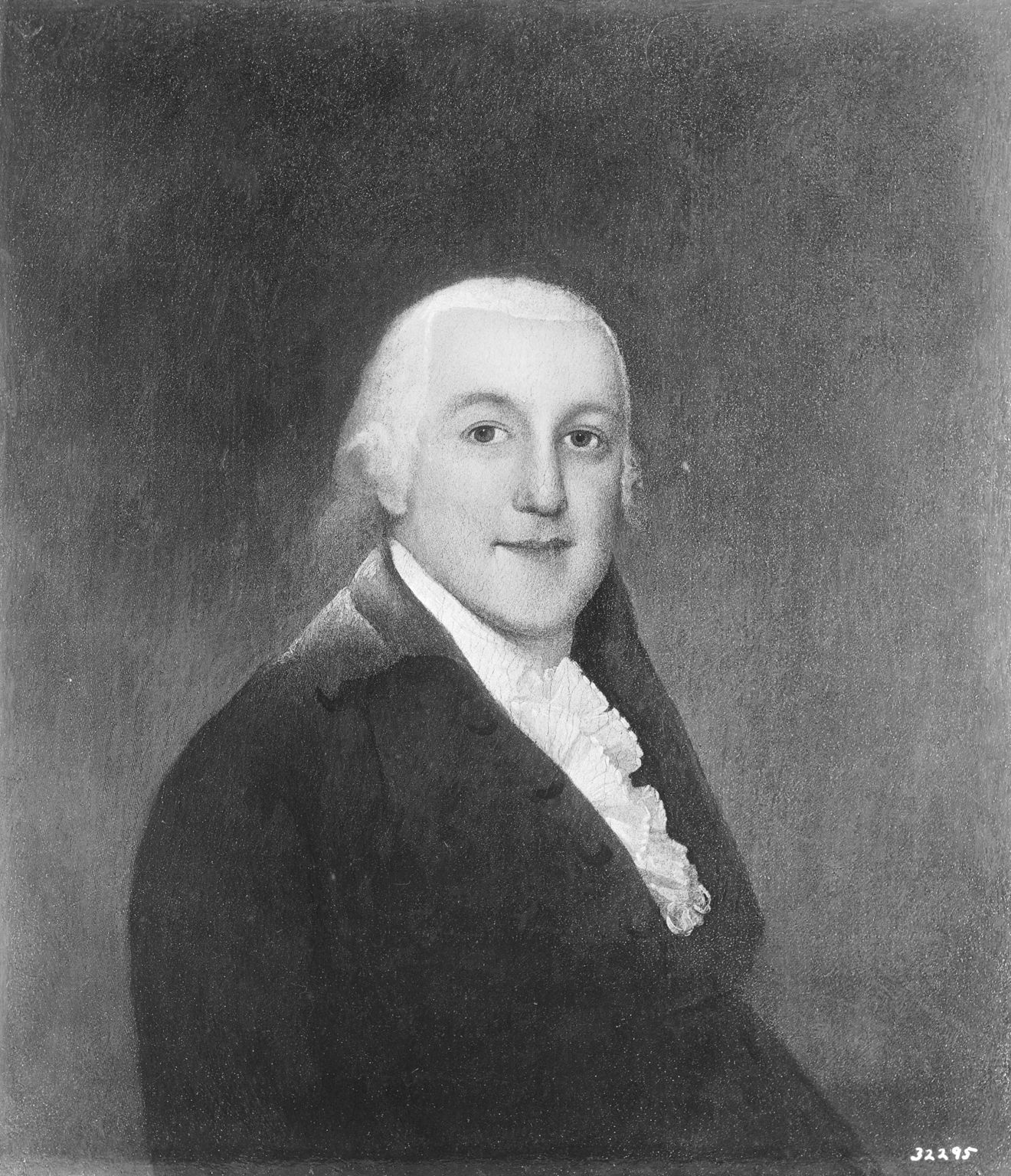
Edward Rutledge’s call for a one‑day delay on July 1, 1776 was not an act of obstruction but a moment of deliberate statesmanship. At twenty‑six, he understood that declaring independence without overwhelming consensus would hand Britain a propaganda victory and fracture the fragile coalition holding the colonies together. Rutledge feared that a rushed vote would weaken America’s credibility abroad, undermine efforts to secure foreign alliances, and expose the southern colonies to retaliation before a true confederation existed. His overnight lobbying of the South Carolina delegation transformed hesitation into resolve, ensuring that when Congress reconvened on July 2, the movement for independence spoke with near‑unanimous force.
That unity was the patriotic triumph. Rutledge’s maneuver helped turn thirteen quarrelsome provinces into a continent acting with shared purpose, giving the Revolution the moral weight it needed to survive its earliest and most perilous days. By insisting on consensus, he strengthened the legitimacy of the break with Britain and made the Declaration that followed not merely a regional rebellion but a collective national commitment. In securing that single day, Rutledge helped shape the character of American independence itself — bold, united, and determined to present to the world a people choosing their destiny together.
