
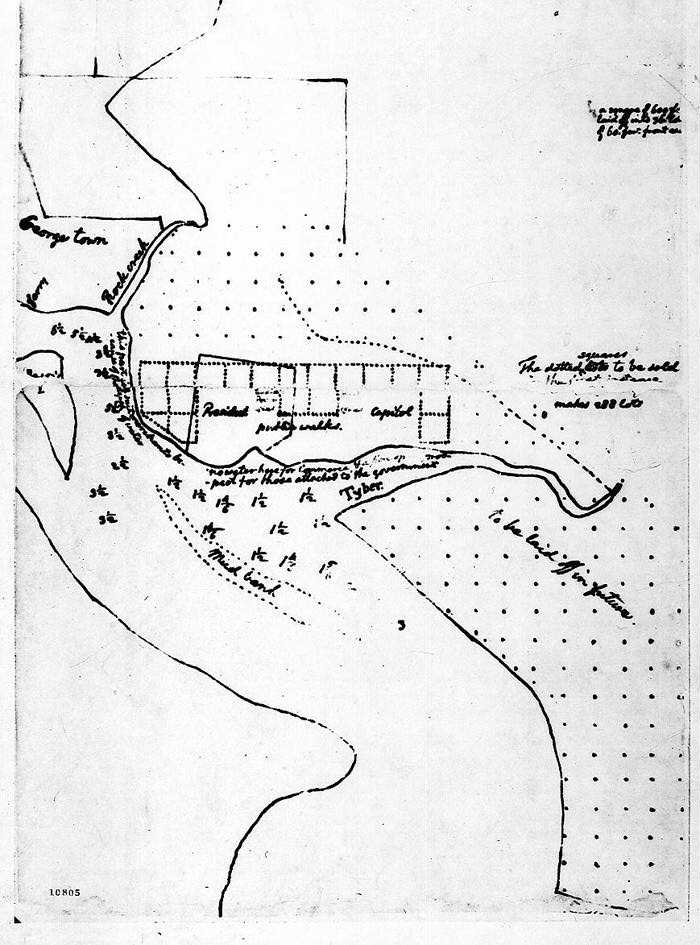
On July 9, 1790, the House of Representatives approved the Residence Act, which established the temporary and permanent seats of the United States government. The federal government operated out of New York City at the time, and the act designated Philadelphia as the temporary capital while a permanent federal district was constructed along the Potomac River. President George Washington signed the historic bill into law one week later, solidifying the creation of Washington, D.C.
The passage of this act was the result of a secret political deal brokered over a private dinner party hosted by Thomas Jefferson. Alexander Hamilton desperately needed southern votes to pass his controversial financial plan for the federal government to assume state wartime debts. James Madison agreed to provide those southern votes in exchange for Hamilton using his northern influence to permanently locate the nation’s capital in the South.
