
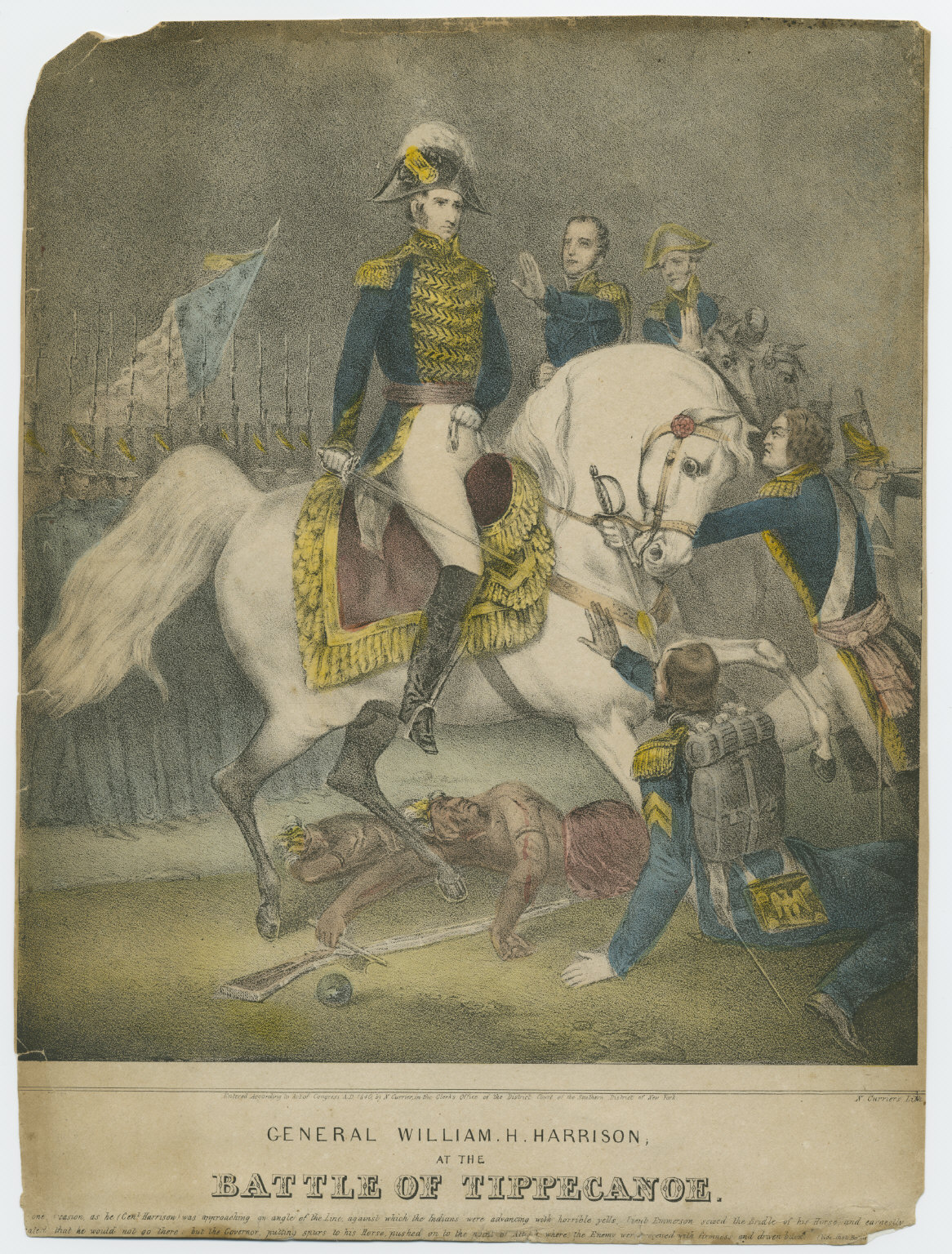
On November 7, 1811, an American army commanded by Indiana Territorial Governor William Henry Harrison fought Native American warriors near Prophetstown, the settlement established by the Shawnee brothers Tecumseh and Tenskwatawa. Harrison had marched approximately one thousand men toward the community to confront a growing confederacy resisting American expansion onto Native lands. Tecumseh was away recruiting southern nations, leaving Tenskwatawa, the religious leader known as the Prophet, at Prophetstown when the confrontation erupted.
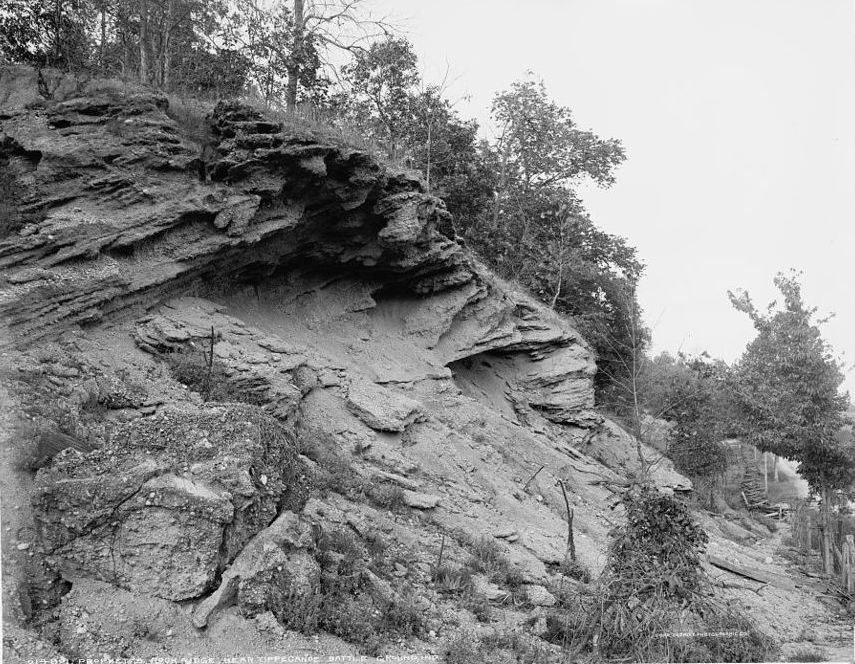
Before dawn, Native warriors attacked Harrison’s encampment. The circumstances surrounding the outbreak of fighting—and Tenskwatawa’s role in authorizing it—remain disputed. According to local tradition, the Prophet chanted prayers from a nearby outcrop now known as Prophet’s Rock, seeking spiritual protection for the warriors. Harrison’s army held its position through fierce fighting, and American troops subsequently burned Prophetstown. Although Harrison claimed victory, the battle’s tactical outcome was less decisive than his later political reputation suggested.
Tippecanoe dealt a serious blow to the brothers’ movement, but it did not destroy the confederacy. Tecumseh continued rallying support until his death at the Battle of the Thames in 1813, while the confrontation helped intensify tensions preceding the War of 1812. The battle also acquired a powerful political afterlife. In the presidential election of 1840, the Whigs promoted Harrison and running mate John Tyler with the slogan “Tippecanoe and Tyler Too,” transforming a costly frontier engagement into an enduring symbol of military heroism.
