
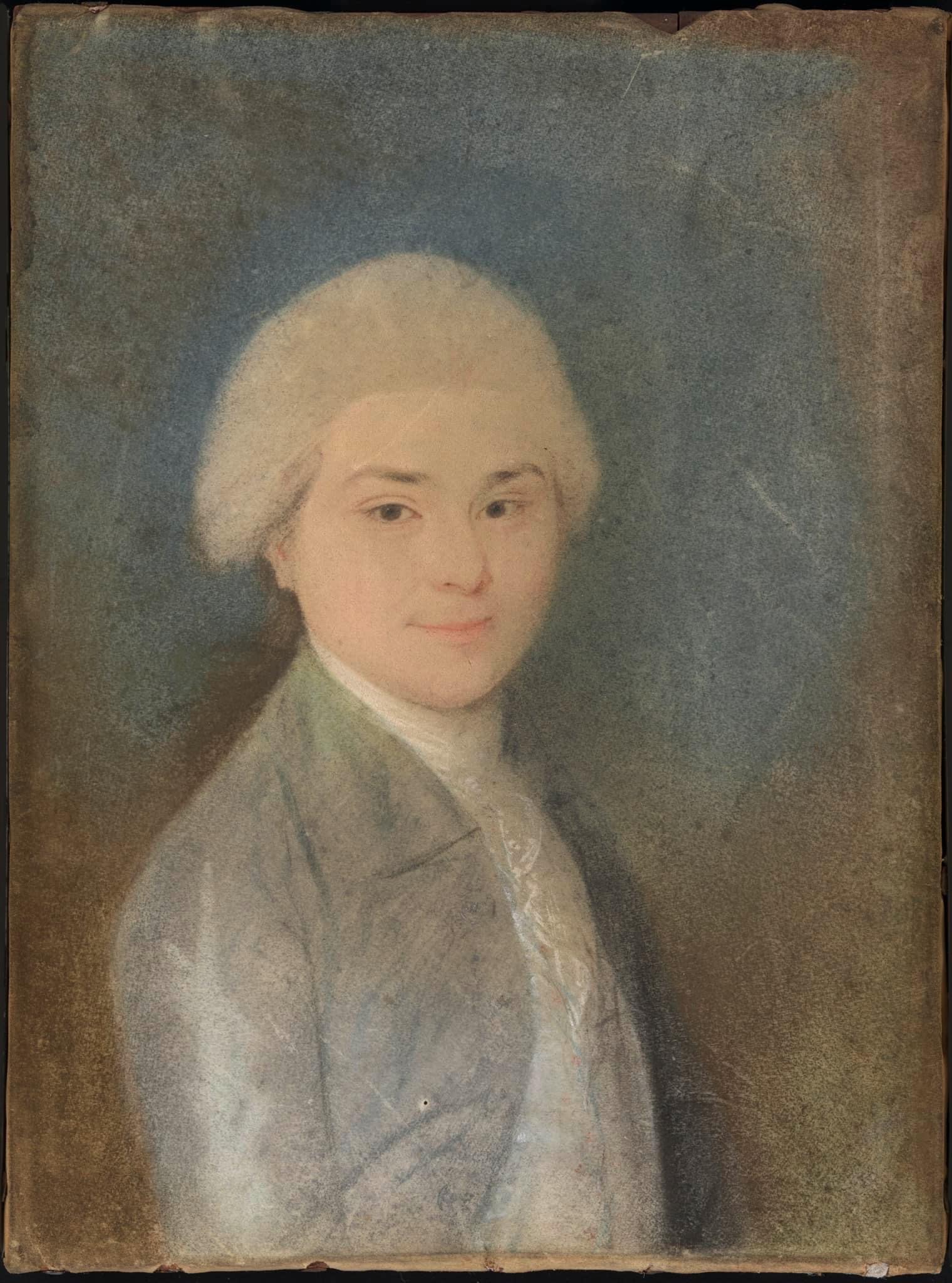
The future sixth President of the United States, John Quincy Adams, spent his eighth birthday surrounded by the literal and figurative smoke of the American Revolution. Born on July 11, 1767, young John Quincy later recounted in his personal memoirs how his family was forced to flee their peaceful home in Boston during that chaotic summer of 1775 to seek refuge in Braintree. Standing beside his mother, Abigail, the eight-year-old boy watched the distant horizon glow with the tragic fires of Charlestown and heard the thunders of the historic Battle of Bunker Hill. The emotional weight of that summer was compounded by the tragic death of Dr. Joseph Warren, a close family friend and the skilled surgeon who had recently saved young John Quincy’s fractured forefinger from amputation.
To cope with the persistent terror of marauding British troops, Abigail Adams integrated a daily ritual of patriotism into her son’s education. Right after his morning prayers, she had him recite William Collins’ famous ode honoring fallen patriot warriors. The poem did not make the young boy love war; instead, it deeply rooted a lifelong, unyielding hatred for tyranny and a profound understanding of the ultimate sacrifices required to achieve true human liberty.
