
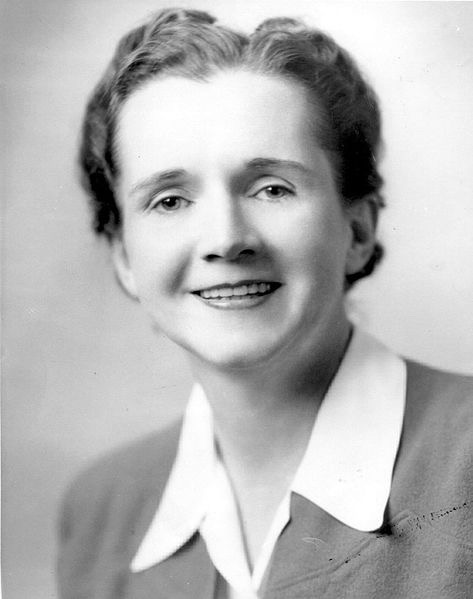
On September 27, 1962, marine biologist Rachel Carson published her groundbreaking book, Silent Spring. Its warning about the unchecked use of synthetic pesticides—especially DDT—helped spark a fierce campaign by chemical-industry interests to discredit Carson and portray her work as alarmist and unscientific.
But Carson’s careful, accessible documentation resonated with the public. She showed how persistent pesticides could move through food chains, contaminate water, and harm wildlife—most famously contributing to eggshell thinning in birds of prey, including bald eagles.
Silent Spring transformed public debate about pesticides and humanity’s relationship with the natural world. It helped catalyze the modern environmental movement, strengthened calls for federal environmental oversight, and contributed to the policy climate surrounding the creation of the U.S. Environmental Protection Agency in 1970. A decade after the book’s publication, the EPA cancelled most remaining U.S. agricultural uses of DDT because of its environmental and potential health risks.
Image: Rachel Carson in 1940 while working for the U.S. Fish and Wildlife Service. Via Wikimedia Commons; public domain.
