
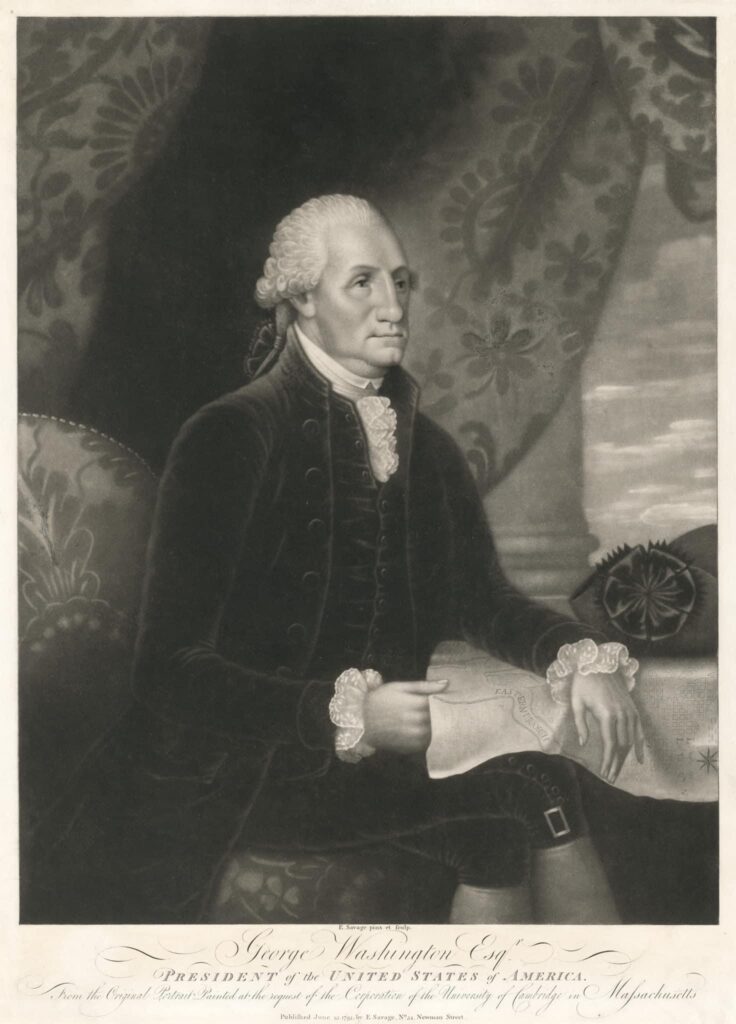
When President George Washington signed the first U.S. copyright act into law on May 31, 1790, he gave early American creators an anchor for their intellectual labor. The law protected books, maps, and charts, offering an initial fourteen-year term with a vital option to renew for another fourteen years if the creator was still living. This legal shield validated the solitary hours of pioneering figures like Philadelphia printer John Dunlap and early mapmakers, reassuring them that the children of their imagination belonged uniquely to them. By legally securing these ideas, the young government recognized that a nation’s true independence is shaped as much by its thinkers as by its borders.
