
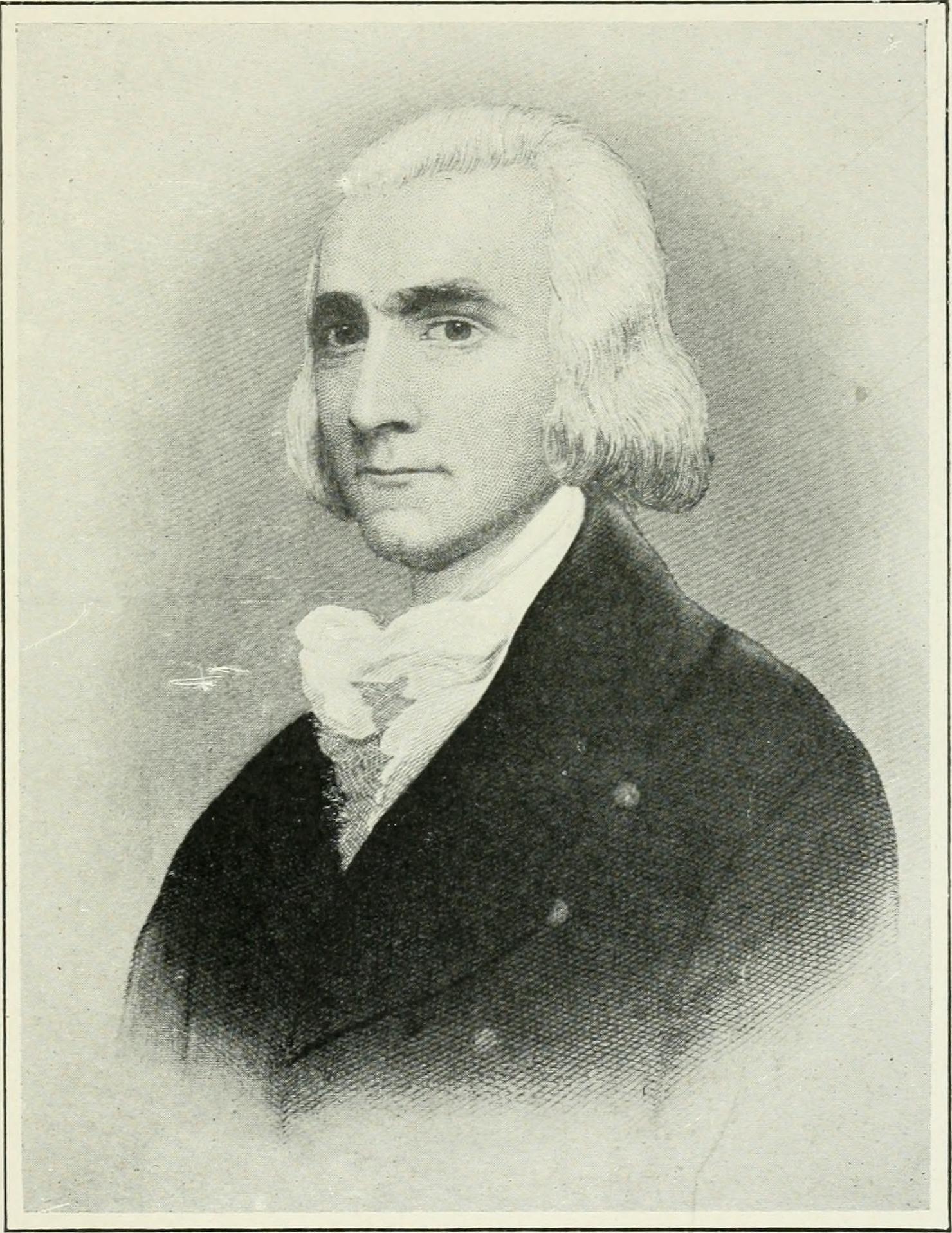
On June 23, 1810, German-American tycoon John Jacob Astor and his partners officially signed the provisional agreement for the Pacific Fur Company in New York City. Although their remote outpost, Fort Astoria, would not be constructed until 1811, this bold agreement laid early U.S. territorial claims to the Pacific Northwest. Forced by the strain of the War of 1812 to sell out to British rivals in 1813, the short-lived venture nevertheless pioneered early overland routes like the South Pass that paved the way for massive westward migration.
Astor’s venture was actually a high-stakes play in the first truly global trade war, aiming to bypass standard shipping blockades by sending Oregon pelts directly across the Pacific to China’s elite. While the physical fort failed to withstand British pressure, Astor cleverly cushioned his losses by reinvesting his profits into Manhattan real estate. This strategic pivot on Manhattan island ultimately transformed him into America’s very first multi-millionaire and a foundational pioneer of modern global capitalism.
Image via Wikimedia Commons, public domain
