
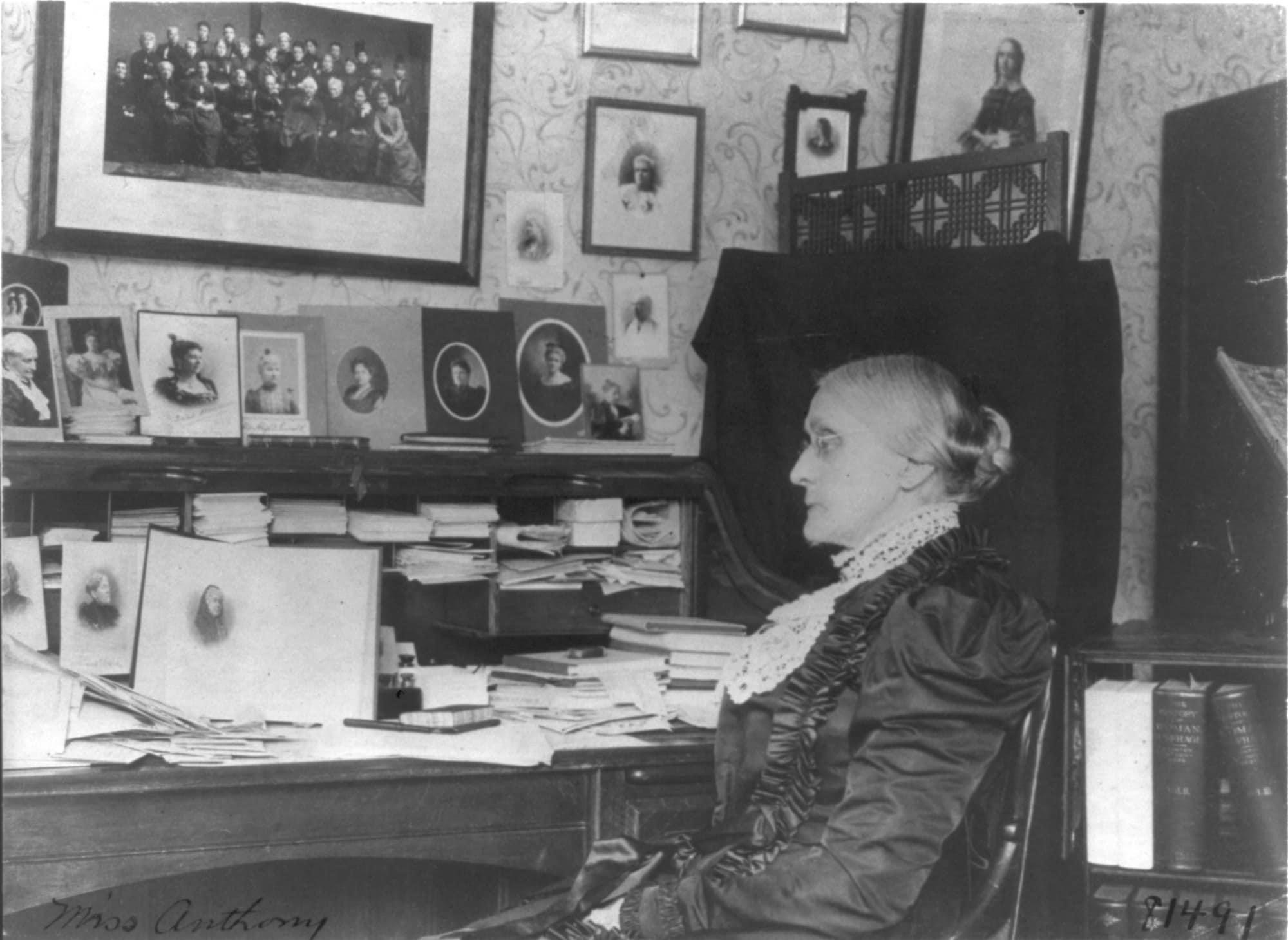
On June 18, 1873, Susan B. Anthony went before a packed courtroom in Canandaigua, New York, to hear her sentence for voting illegally in the 1872 election. She had openly admitted casting her ballot, insisting that the Fourteenth Amendment guaranteed her the rights of citizenship. Judge Ward Hunt ordered her to pay a $100 fine, but Anthony refused, delivering a blistering denunciation of a legal system that governed women without their consent.
Hunt deliberately declined to jail her, a calculated move to prevent her from appealing the case to higher courts. Yet his attempt to silence her only amplified her message. Anthony’s unpaid fine became a permanent symbol of principled resistance, a reminder that the fight for suffrage was not merely political but deeply moral..
